
Rapper Nicki Minaj Joins Donald Trump Onstage At Michigan Rally: Will Star Power Convince Everyday Voters To Back Trump Party Candidates
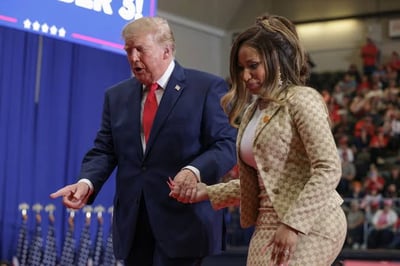
When global music icon Nicki Minaj stepped onto the political stage alongside Donald Trump during a packed campaign rally in Michigan, the moment felt designed for instant social media virality. Dressed in an eye-catching suit, the multi-award-winning hip-hop star stood at the microphone, led enthusiastic cheers, and publicly declared her lasting support for Trump and his political movement. For Trump, who was touring the industrial city of Port Huron to build momentum for Republican congressional candidates, bringing out one of the most recognizable figures in modern pop music was a deliberate theatrical triumph. Yet beneath the cheering crowds and flashing cameras, the spectacle brings back a long-standing question in democratic politics: do everyday voters truly cast their ballots based on celebrity praise, or does star power merely provide temporary entertainment?
Celebrity endorsements have long served as a favorite shortcut for political campaigns seeking fast public attention. By associating with beloved artists, musicians, or athletes, political parties hope to tap into vast fan communities, especially younger voters who frequently tune out traditional legislative debates. When a prominent pop star praises a political figure, campaign managers celebrate it as proof of broad cultural appeal that reaches beyond party loyalty. However, history repeatedly shows that turning artistic fame into measurable votes at the ballot box is extraordinarily difficult. While famous supporters can easily pack arenas and generate millions of internet views, the enthusiasm of online fan clubs rarely translates directly into voting booth discipline.
In critical swing states like Michigan, the gap between celebrity glamour and everyday working reality becomes even wider. Voters across former industrial centers, suburban towns, and manufacturing belts are not evaluating candidates through the lens of music awards or red carpet glamour. Instead, families are confronting rising grocery bills, heavy monthly housing costs, expensive medical prescriptions, and anxiety over local factory employment. For an autoworker or small business owner balancing household expenses, an endorsement delivered from a stage does little to answer concrete questions about job stability or local infrastructure.
Furthermore, relying on celebrity spectacles carries significant political risks. Rival campaigns and skeptical independent voters often view high-profile entertainment cameos as an effort to distract from tough policy discussions. When national political leaders spend valuable rally time talking about celebrity appearances rather than offering detailed solutions to domestic challenges, it risks alienating undecided citizens who want serious, accountable governance. A voter trying to manage healthcare costs or public schooling for their children wants substantive answers from legislative nominees, not coordinated viral publicity.
The strategy also exposes the double standard surrounding modern political messaging. Political strategists often dismiss the opinions of famous actors and musicians when they align with political opponents, labeling them as out-of-touch elites who know nothing about ordinary people. Yet the moment a famous star offers praise to their own side, that very same celebrity culture is celebrated as authentic working-class insight. This selective celebration reveals how superficial the reliance on famous endorsements can be, treating cultural figures as convenient political props rather than addressing deep structural concerns.
Ultimately, democracy belongs to the citizens who stand in line to vote on election day, not the famous personalities who share the podium during campaign stops. While the sight of Nicki Minaj standing beside Donald Trump will remain a memorable media moment of this campaign season, elections are decided on the quiet decisions of everyday people. As voters weigh their options in the privacy of the polling booth, economic stability, personal freedom, and trustworthy governance will always matter far more than stadium applause and celebrity fanfare.