
RBI May Hike Repo Rate by 25 Bps in October Meeting to Control Rising Inflation Shows Business Standard Poll
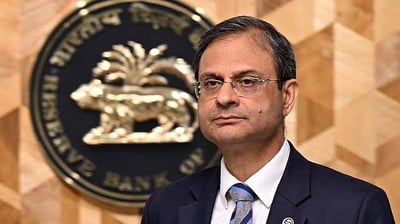
A new survey of leading economic experts shows that the Reserve Bank of India is very likely to increase its key lending rate during its upcoming policy review. In a comprehensive survey conducted by Business Standard, a large majority of economists indicated that the central bank will raise the benchmark repo rate by twenty-five basis points. If this move is implemented, the headline interest rate will climb to five point five zero percent. The primary driver behind this expected action is the sudden pressure created by expensive crude oil and sticky retail prices.
The repo rate is the interest rate at which the central bank lends money to commercial banks across the country. When the central bank lifts this rate, borrowing money becomes more expensive for regular financial institutions. Consequently, commercial lenders pass on the extra cost to everyday borrowers by increasing interest charges on personal, vehicle, and home loans. The survey reveals that eight out of ten participating economists believe an immediate rate hike is necessary to stop price rises from hurting consumer spending.
Financial analysts point out that international crude oil prices have climbed steadily in recent weeks, causing serious concerns for domestic planners. India imports a large part of its crude oil requirements from international producers. When global crude prices increase, transportation and fuel costs jump inside the country, eventually driving up the price of essential groceries, vegetables, and everyday manufactured goods. Raising interest rates helps slow down excessive market demand, keeping local prices under check.
The central bank Monetary Policy Committee is scheduled to meet between October 5 and October 7 to deliberate on policy choices. This review comes at a time when domestic growth numbers have stayed remarkably strong. While global markets face slow industrial output, economic activity inside India has shown solid resilience. Experts say that strong domestic performance gives the rate-setting committee the comfort and breathing room to prioritize price stability without causing damage to ongoing business momentum.
If the committee decides to announce an upward rate adjustment, it will mark the first rate increase since the tightening cycle seen in February 2023. Over the past several meetings, policymakers had kept rates on hold to support commercial investments and watch price developments carefully. However, fresh inflationary numbers and global trade uncertainties have changed the conversation, prompting economists to believe that the pause in rate actions has now come to a close.
A broader look at financial forecasts suggests that this upcoming move might not be a solitary step. Several banking analysts and parallel market surveys indicate that another twenty-five basis point increase could follow in the December meeting if prices fail to cool down quickly. Even so, market experts believe the complete tightening phase will remain relatively shallow, expecting total rate increases to remain between fifty and seventy-five basis points overall.
For ordinary middle-class households, a hike in the repo rate directly translates to heavier monthly equated monthly installments on existing variable loans. When banks lift retail interest rates, the repayment duration or monthly payment amounts for home loans rise immediately. On the flip side, conservative savers and senior citizens who depend on fixed deposits can expect commercial banks to offer higher interest returns on their bank deposits.
Business groups and industrial leaders are closely watching the upcoming announcement to plan their future capital spending. Higher loan rates make it more costly for enterprises to expand factory operations or take large commercial loans. The monetary committee faces the delicate challenge of controlling price pressures while ensuring that commercial businesses continue to create new jobs across the national economy.