
RSS Most Misunderstood Organisation Says Mohan Bhagwat As Chief Distances Group From Anti Social Bajrang Dal Elements
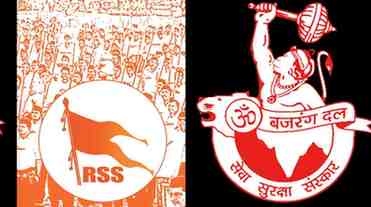
The Rashtriya Swayamsevak Sangh RSS has once again entered the national spotlight following explicit statements made by its chief, Mohan Bhagwat, during a high level organization meet. Bhagwat addressed a large gathering of volunteers, declaring that the RSS remains the most misunderstood organization in the world today. He emphasized that individuals looking at the movement from the outside often rely on flawed narratives, misinterpretations, and political bias. According to the chief, the only genuine way to understand the core values, cultural philosophy, and social work of the organization is to engage with it directly and experience its operations from within. This address arrives at a crucial time when the broader ideological network, known as the Sangh Parivar, faces intense scrutiny over the widely differing behaviors and public statements of its various affiliated groups.
A primary point of distinction that has emerged within socio political discourse is the stark operational and ideological contrast between the RSS and the Bajrang Dal. While critics often mistake the two entities as identical parts of a single aggressive apparatus, internal observers and independent analysts point out that their methods are completely different. The RSS operates as a highly disciplined, structured, and long term cultural cadre focused on character building, national integration, and grassroots community service. In contrast, the Bajrang Dal functions as a loose, hyper nationalist youth wing that frequently operates without the strict behavioral protocols enforced by the senior leadership of the RSS. This lack of centralized discipline has led to recurring instances where the youth wing has been publicly accused of engaging in provocative behavior that diverges from the structured approach of the parent organization.
The issue becomes particularly clear when examining the frequency of hate speech and controversial public actions. While the core leadership of the RSS consistently maintains a measured public rhetoric focused on social cohesion and cultural pride, regional units of the Bajrang Dal have repeatedly found themselves entangled with law enforcement over anti social elements and inflammatory remarks. Documented evidence from various state police departments highlights numerous instances where local Bajrang Dal workers were named in first information reports FIRs for orchestrating unauthorized moral policing drives, disruptive street agitations, and speech calculated to incite communal tension. By allowing aggressive individuals to leverage its organizational banner for vigilante actions, the youth group has accumulated a substantial record of public misconduct that stands in direct opposition to the lawful, disciplined image that the RSS seeks to project.
This internal ideological friction reveals a significant challenge for the broader cultural movement. The senior leadership faces a difficult task in maintaining public credibility when its defensive, structured philosophy is consistently overshadowed by the chaotic and illegal actions of its affiliate youth wing. By failing to completely dismantle or strictly censor these radical internal factions, the parent body risks absorbing the severe reputational damage generated by local vigilante groups. If the RSS wishes to successfully alter its public perception and overcome being labeled as a misunderstood entity, it must move beyond verbal assurances of discipline. The organization must take concrete, visible steps to isolate and penalize anti social elements within its wider network, ensuring that aggressive street politics do not completely compromise its long term social objectives.