
SAARC Revival Request From Maldives Rejected by India Pointing at Pakistan Terror Support
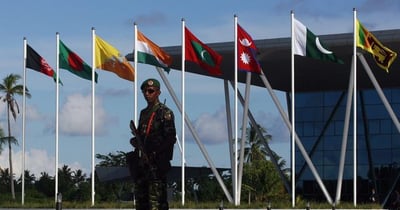
A major diplomatic discussion has emerged across South Asia following fresh efforts to reactivate regional cooperation. On July 26, 2026, Maldives President Mohamed Muizzu delivered an official Independence Day address calling for a direct revival of South Asian regional talks. He noted that the South Asian Association for Regional Cooperation has remained dormant for nearly 9 years. Speaking to regional leaders, President Muizzu stressed that economic development, regional trade, and long term stability require active dialogue rather than ongoing isolation. He offered that the Maldives is prepared to step forward as a mediator between member nations holding deep political disagreements, urging all parties to prioritize friendship for 8 member states representing roughly 1900000000 people. He emphasized that leaving disagreements to be settled by force never yields lasting solutions, arguing instead that sitting together around a shared conference table offers the only realistic pathway toward collective security and shared economic prosperity.
India delivered an official response during a press briefing held on July 28, 2026. External Affairs Ministry spokesperson Randhir Jaiswal addressed questions regarding the proposal from the Maldives and clarified the official stance of New Delhi. He emphasized that India has consistently supported regional integration for multiple decades, but reminded diplomatic observers that genuine regional cooperation requires mutual goodwill and trust. Jaiswal pointed out that citizens across South Asia understand precisely which nation and which ongoing activities remain responsible for paralyzing the regional organization. The statement directly targeted Pakistan and its support for cross border terrorism, reinforcing that formal diplomatic progress cannot take place while security threats continue. Indian foreign policy officials reiterated that meaningful dialogue depends heavily on creating an atmosphere free from violence, hostiles, and external interference in internal sovereign affairs.
The diplomatic standstill dates back to September 18, 2016, when a major terror attack on an Indian military base in Uri prompted New Delhi to pull out of the planned 19th summit in Islamabad. That decision received immediate support from fellow member nations including Bangladesh, Bhutan, and Afghanistan, leaving the 2014 Kathmandu summit as the final top level gathering held by the group. Established on December 8, 1985, to promote economic growth and regional unity, the organization operates under a strict rule requiring unanimous agreement on all major decisions. This voting rule allowed individual members to block important trade and transit agreements, leading to persistent frustration among nations seeking economic progress. Over time, these structural vulnerabilities turned a promising forum into a frozen platform, where single nation objections regularly stymied ambitious infrastructure and connectivity initiatives across neighboring territories.
In recent months, changing political dynamics across the region have renewed calls to revive the stalled association. Beyond the Maldives, the interim administration in Bangladesh led by Muhammad Yunus and officials in Dhaka have expressed interest in restarting conversations to boost regional commerce. However, India has strategically shifted its primary focus toward alternative regional bodies like the Bay of Bengal Initiative for Multi Sectoral Technical and Economic Cooperation. Working closely with countries such as Thailand, Myanmar, Nepal, Bhutan, Sri Lanka, and Bangladesh, India has successfully built regional trade partnerships while bypassing political roadblocks. This shift demonstrates how practical economic ties can flourish when security concerns are respected, ensuring that full summit level meetings will remain paused until cross border security issues are completely resolved.