
Singapore Bans British Band Massive Attack Over Palestinian Flag Display During Concert
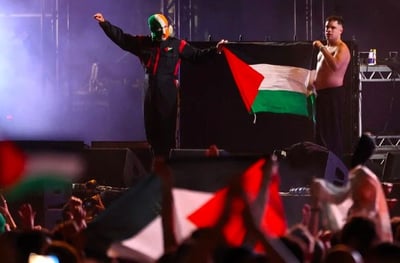
A major cultural controversy has erupted in the Singapore entertainment scene after iconic British trip hop group Massive Attack faced official sanctions following their recent live performance. On July 31, 2026, during a headline concert held at the Singapore Indoor Stadium, the multi member band projected high resolution visual imagery featuring the Palestinian flag alongside political messages across massive background LED screens. The visual displays were part of the group ongoing global tour performance, which routinely incorporates socio political commentary and commentary on international conflicts. However, the unexpected inclusion of foreign political imagery immediately triggered regulatory scrutiny from local law enforcement and cultural oversight authorities, as Singapore maintains strict legal prohibitions regarding public displays of foreign national symbols and political causes.
The swift regulatory response culminated on August 1, 2026, when Singapore Ministry of Home Affairs officially confirmed that Massive Attack has been barred from future performances within the country. Under the Foreign National Emblems Act, displaying any foreign flag, banner, or national emblem in a public space without prior official approval constitutes a direct legal violation. Ministry representatives clarified that while artists enjoy creative freedom on stage, public venues within the country cannot be utilized to promote foreign political agendas or display symbols associated with international geopolitical disputes. The government reiterated that maintaining public order and multicultural harmony requires neutral public spaces free from foreign political friction, making compliance with emblem laws mandatory for both local and visiting performers.
This legal enforcement highlights the ongoing tension between global artistic expression and local regulatory frameworks across international tour circuits. Famous for their socio political commentary and activism over past decades, Massive Attack has consistently used visual projections to speak out on global crises, human rights, and regional conflicts during their worldwide stage shows. While international audiences often expect such thematic elements from political musical acts, international touring entities face complex compliance challenges when navigating strict public order statutes in Southeast Asian nations. For event organizers and venue operators, the incident underscores the operational risk of hosting politically outspoken international acts without explicit guidelines regarding local legal boundaries.
Looking at the broader impact, the ban reflects Singapore firm commitment to preventing foreign political conflicts from spilling over into its domestic social fabric. By strictly enforcing statutes on foreign symbols, authorities aim to preserve domestic social cohesion and prevent public polarization around international events. While some international fans and human rights observers view the measure as overly restrictive toward artistic commentary, policy makers emphasize that domestic harmony remains a primary national priority. As international music tours continue to expand across Asia, promoters will likely implement stricter performance reviews to ensure foreign stage visuals comply with local regulations while avoiding sudden career bans for international artists.