
Sonam Wangchuk On Why He Ended Fast Without Dharmendra Pradhan Resignation
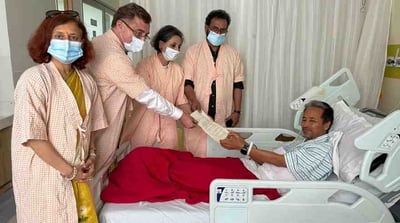
Renowned educationist and environmental activist Sonam Wangchuk addressed public questions and rising social media criticism on 25 July 2026 regarding his decision to end his 26 day hunger strike before Union Education Minister Dharmendra Pradhan stepped down. Wangchuk had initially joined the youth movement led by the Cockroach Janta Party on 28 June 2026 at Jantar Mantar in New Delhi, standing in solidarity with thousands of students protesting widespread competitive examination paper leaks, specifically surrounding the NEET UG exams. As the fast progressed into its 4th week, his deteriorating physical health sparked massive public concern across the country. However, his decision to break the fast late on 24 July 2026 following negotiations with central ministers created confusion among certain sections of supporters who questioned why he scaled down the explicit demand for the minister's immediate departure.
In a detailed video message shared with the nation, Wangchuk firmly dismissed speculation regarding any political compromise or deal with the government, outlining the urgent circumstances that drove his choice. He revealed that his single most important objective during negotiations was preventing a potential violent police crackdown against young student demonstrators gathering in the capital. Recalling a painful historical precedent from 24 September 2025, when security forces opened fire during youth demonstrations in Ladakh, Wangchuk admitted feeling severe anxiety that a similar heavy-handed administrative intervention was brewing in Delhi. He emphasized that the safety, physical well-being, and legal future of thousands of young students outweighed any personal symbolic victory, making the prevention of police FIRs his top priority.
The activist also shared details about his restrictive physical isolation leading up to the final decision. On 18 July 2026, authorities forcibly removed Wangchuk from the public protest ground at Jantar Mantar and admitted him to Safdarjung Hospital before moving him to Medanta Hospital in Gurgaon. Wangchuk described his time in medical custody as intensely restrictive, stating that he was kept under virtual detention without free movement, restricted access to visitors, and barred from holding a mobile phone or laptop. Despite these isolating conditions, Union Ministers J P Nadda and Jitendra Singh visited him in the hospital to present official government proposals. While the ministers initially offered verbal promises, Wangchuk refused to break his fast until the government provided a binding written guarantee.
The written assurance delivered by the central administration covered 3 key points requested by Wangchuk. First, the government pledged that no police cases, criminal charges, or legal actions would be registered against students who participated peacefully in the nationwide demonstrations. Second, the administration agreed to schedule an open, detailed discussion inside Parliament regarding structural examination reforms and anti-paper leak legislation. Third, the government promised to positively evaluate monetary compensation for families of students who tragically died by suicide due to examination irregularities. Wangchuk highlighted that securing written protections for vulnerable youth was a vital shield, ensuring that young citizens would not face destroyed careers or endless court battles simply for exercising their constitutional right to protest.
While critics argued that ending the fast diluted the central political demand, Wangchuk maintained that student unity would naturally push the accountability movement forward without requiring him to sacrifice his life on a single point. His assessment proved accurate when, on 25 July 2026, Union Education Minister Dharmendra Pradhan officially tendered his resignation to the Prime Minister, citing the need to maintain national unity and allow students to focus on their future academic careers. Reacting to the resignation announcement, Wangchuk celebrated the news as a triumph of direct democracy, patience, and peaceful citizen participation, pointing out that public perseverance eventually forced political accountability without forcing students to endure police violence.
This entire episode highlights the delicate balance between high-stakes civil disobedience and pragmatic leadership during mass public movements. By securing written legal immunity for thousands of young citizens, Wangchuk protected the nation's youth from long-term legal harm while maintaining moral leverage over the government. The subsequent resignation of the education minister demonstrated that strategic flexibility in activism does not signal defeat, but can instead lay the groundwork for major systemic victories while keeping non-violent principles at the core of public discourse.