
South Korea Current Account Surplus Ranks 2nd Globally as Semiconductor Exports Soar Beyond Germany and Japan
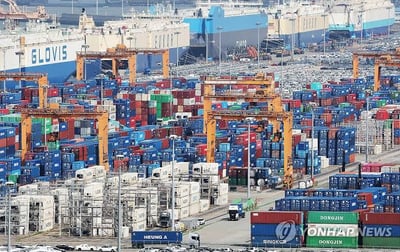
South Korea has recorded the second largest current account surplus among major economies around the world, powered by a massive boom in international semiconductor sales that pushed trade earnings far beyond traditional manufacturing powerhouses like Germany and Japan. Financial data released by central bank authorities and the International Monetary Fund revealed that the country accumulated a massive foreign trade balance of one hundred and sixteen billion six hundred and thirty million dollars during the second quarter of the year. The remarkable economic performance placed the East Asian nation directly behind China, which held the top global position with a surplus of over one hundred and ninety-three billion dollars.
The current account surplus measures the total amount of money a country earns from selling goods, services, and overseas investments compared to what it spends on foreign imports. When a nation exports significantly more than it imports, it builds a healthy surplus that strengthens its local currency, supports domestic businesses, and provides a solid safety cushion against unexpected international financial shocks. South Korea saw its quarterly balance more than quadruple from the twenty-eight billion dollars recorded during the same period in the previous year, showing a pace of trade recovery that far exceeded expectations.
The primary engine behind this extraordinary financial expansion was the global demand for microchips and semiconductor technology. Known as the tiny silicon brains that power smartphones, electric vehicles, industrial servers, and modern artificial intelligence hardware, memory chips form the backbone of modern tech trade. South Korean export numbers showed that semiconductor shipments surged by over one hundred and eighty-one percent compared to the previous year, generating more than one hundred and thirteen billion dollars in outward trade during the three month window alone. Rising market prices for advanced memory components and rising orders from global technology developers gave local tech giants a massive revenue boost.
The scale of the achievement becomes clearer when compared to other leading industrial nations that traditionally dominate global commerce. While South Korea saw its trade earnings multiply four times over, traditional manufacturing giants recorded modest gains during the same three month period. Surplus numbers in Germany rose by just under twelve percent, while Japan managed an increase of five percent. The dramatic surge allowed the Korean economy to surpass the combined trade surpluses of both Germany and Japan, marking a rare moment in modern commercial history where a single Asian electronics hub outperformed Europe's largest industrial engine and its neighboring island rival combined.
Despite the positive balance sheet at the top of the economy, local economic experts point out a deep contrast between high tech corporate profits and the everyday realities faced by working citizens. While giant semiconductor corporations broke revenue records, domestic employment data showed a worrying drop in temporary and daily wage jobs, which fell to their lowest level in more than three decades. Automated factories and advanced robotic production lines allow chip makers to manufacture billions of dollars worth of electronic hardware without needing to hire large numbers of everyday manual workers. As a result, small retail shops, family run eateries, and neighborhood businesses continue to face slow consumer spending at home.
International trade analysts also warn that relying heavily on a single manufacturing product creates long term vulnerabilities for the national economy. When world tech firms invest heavily in new server farms and computing devices, chip demand reaches historic highs. However, global memory markets are known for sharp boom and bust cycles. If overseas companies slow down their capital spending or if international competitors build rival manufacturing plants, the massive trade surplus could shrink quickly. Government trade officials have emphasized the need to support alternative export sectors, such as green energy vehicles, biotech pharmaceuticals, and shipbuilding, so that national earnings do not depend entirely on silicon components.
The remarkable second quarter numbers highlight how central the country has become to the worldwide technology supply chain. From consumer electronics to large scale artificial intelligence platforms, global computing infrastructure relies directly on hardware produced in Korean cleanrooms. For policymakers in Seoul, the challenge moving forward is to use these massive export windfalls to support domestic industries, create stable employment for young job seekers, and ensure that the wealth generated by the semiconductor boom benefits the wider public beyond tech boardrooms.