
Spain Border Crisis Escalates As 57 Migrants Die In Ceuta Rush With Thousands Returning To Morocco
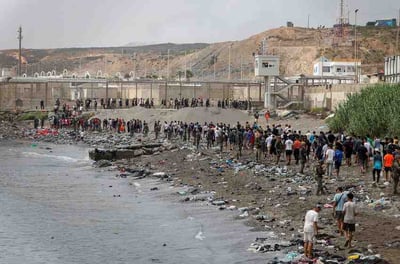
A massive humanitarian and diplomatic emergency unfolded at the northern tip of Africa as tens of thousands of migrants attempted to cross into the Spanish enclave of Ceuta from Morocco. On July 31, 2026, over 50000 people pushed toward the physical barriers of Ceuta by land and sea, resulting in chaos and extreme loss of life. Emergency response teams recovered 57 bodies on the Spanish side of the border, with official reports indicating that victims succumbed to drowning in turbulent coastal waters or suffered fatal crushing injuries while attempting to scale high breakwaters and fortified fencing. Spanish security forces, working alongside Moroccan police equipped with batons and water cannons, struggled to maintain control over the perimeter as desperate crowds sought entry into European territory.
By August 1, 2026, Spanish officials announced that the security apparatus had regained physical control over the border checkpoints and that approximately 48300 migrants had voluntarily returned to Morocco. The rapid surge overwhelmed local infrastructure in Ceuta, leaving thousands without basic shelter, water, or food supplies. Confronted with harsh conditions and minimal resources inside the small enclave, many young men and families chose to walk back through official gates into Moroccan border towns. Spanish Prime Minister Pedro Sanchez conducted an emergency visit to Ceuta on August 1, 2026, officially declaring the mass crossing a direct challenge to national sovereignty while assuring citizens that swift repatriation procedures were proceeding in coordination with Moroccan authorities.
The tragic incident has sparked severe political friction within the European Union and triggered defensive security measures across neighbouring nations. Italian leadership announced a temporary suspension of border-free travel agreements with Spain, citing concerns over regional security and uncontrolled migration channels. France similarly announced a 5-fold increase in police deployments along its southern frontier with Spain to prevent secondary movements across Western Europe. Critics within Spain and abroad pointed toward recent immigration policy shifts as a key driver of the sudden influx, arguing that permissive legal frameworks created false expectations among vulnerable populations. Meanwhile, human rights organizations emphasized that the tragedy reflects a systemic failure in managing humanitarian pressures at physical border zones.
From a broader perspective, this crisis highlights the recurring vulnerability of isolated European enclaves surrounded by African territory. While immediate security deployments and voluntary return agreements have temporarily stabilized the border post, relying primarily on physical barriers and rapid deportations leaves the root drivers of migration unaddressed. The loss of 57 lives serves as a grim reminder of the high human cost associated with desperate border crossings. Long-term regional stability will require comprehensive policy coordination, economic support for border regions, and humane processing procedures rather than reactive crisis management during periodic border emergencies.