
Sudesh Berry Calls PM Modi Lord Vishnu Avatar Expresses Desire To Wash His Feet
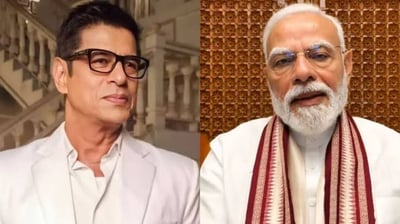
In an unexpected statement that quickly captured widespread media attention across the country on July 30, 2026, veteran film and television actor Sudesh Berry publicly expressed his profound reverence for Prime Minister Narendra Modi. Speaking to reporters during a recent interaction, the 66 year old actor declared that he views the prime minister not merely as a political leader, but as an avatar of Lord Vishnu sent to guide the nation. Berry went on to state that if given a personal opportunity to meet the prime minister, his deepest wish would be to wash Narendra Modi feet and drink that water as a sacred tradition. He emphasized that in his personal spiritual outlook, genuine devotion towards nation builders is equal to divine worship, praising the leader for elevating India global stature.
Berry, who is well known for his memorable roles in classic television shows like Mahabharat and popular Hindi feature films like Ghayal and Border, elaborated on his admiring perspective. He explained that his high regard stems from observing the prime minister relentless dedication to public service, national security, and cultural revival over the past decade. The actor stated that leading a country as diverse as India requires extraordinary spiritual strength and leadership qualities that resemble divine protection. By comparing political leadership with revered traditional deities, Berry sought to convey the deep emotional connection and respect that millions of citizens feel toward top national figures, while acknowledging that his personal way of expressing devotion is rooted in ancient cultural practices.
The dramatic declaration triggered immediate reactions across digital platforms and television news channels, reflecting contrasting viewpoints within public discourse. While ardent political supporters praised the actor for courageously sharing his heartfelt traditional faith, critics and social commentators viewed the remarks as an extreme form of political idolization. Political analysts noted that equating democratic leaders with divine avatars blurs the essential line between constitutional governance and religious worship. In a democratic republic, elected public officials are ultimately public servants accountable to citizens and constitutional checks, making expressions of religious veneration towards political figures a subject of intense public debate and ideological disagreement.
Statements of this nature highlight a unique aspect of Indian public culture, where celebrity commentary, religious imagery, and electoral politics often intertwine. When cultural figures use intense devotional language to describe political figures, it underscores how deeply emotional and personal political allegiance can become for individuals. While expressions of personal faith and artistic freedom are fully protected rights, public figures often face sharp scrutiny when their spiritual analogies spill into the public square. Regardless of differing political opinions, the actor comments have sparked a vibrant conversation about public praise, personal worship, and the evolving relationship between celebrities, religion, and democratic leadership in contemporary society.