
Tamil Nadu CM Vijay LTTE Chief Tribute Sparks Row As BJP Slams Rahul Gandhi
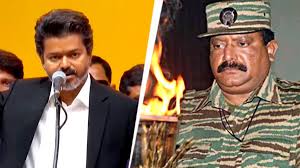
The political landscape of Tamil Nadu has witnessed a dramatic shift following an unexpected statement by the newly sworn in Chief Minister C Joseph Vijay. On the occasion of Mullivaikkal Remembrance Day, which marks the end of the Sri Lankan civil war, the Tamil Haga Vettri Kazhagam founder expressed open solidarity with the global Tamil diaspora and honored those who lost their lives. However, what transformed this solemn remembrance into a national controversy was the explicit acknowledgment of the legacy of the Liberation Tigers of Tamil Eelam founder Velupillai Prabhakaran. It is highly uncommon for sitting heads of state in Tamil Nadu to visibly align with or honor the controversial separatist leader due to the sensitive diplomatic history and legal bans surrounding the outfit. Vijay broke away from this conventional administrative caution, immediately drawing sharp focus from political circles across New Delhi and Chennai.
This open tribute quickly triggered a strong reaction from the Bharatiya Janata Party, which turned the regional issue into a major national debate targeting the Indian National Congress. The central leadership of the saffron party launched a direct attack on Lok Sabha Leader of Opposition Rahul Gandhi, whose party recently offered crucial support to the Tamil Haga Vettri Kazhagam administration. Senior leaders questioned how the Congress leadership could morally justify backing a government whose leader openly praises the founder of an organization judicially implicated in the tragic assassination of former Prime Minister Rajiv Gandhi. The opposition argument centers heavily on national security and political compromise, with representatives asking if secular alliances have become more important than honoring historical family sacrifices and maintaining a unified stance against banned global entities.
In response to the mounting political pressure, the Tamil Haga Vettri Kazhagam leadership issued a swift clarification to defend the actions of the Chief Minister. Party spokespersons asserted that the statements were focused on the humanitarian plight of the Sri Lankan Tamils and their struggle for fundamental civil rights rather than promoting militancy or endorsing illegal groups. The regional outfit argued that honoring the memory of those who perished in Mullivaikkal is a deeply sentimental issue for millions of Tamils worldwide and should not be viewed through a narrow lens of partisan convenience. They maintained that the administration remains fully committed to the constitutional framework of India and that the chief executive is dedicated to driving development while keeping the welfare of the indigenous populace at the core of all governance policies.
From a broader perspective, this intense confrontation illustrates the complex tightrope walk that new regional leaders face when balancing cultural nationalism with national political alliances. Vijay managed to secure a legal majority in the assembly, but this sudden ideological assertion highlights the structural fault lines present in multi party understandings. For the ruling faction, keeping local Tamil sentiments satisfied is crucial to consolidating power against established Dravidian heavyweights like the Dravida Munnetra Kazhagam. Conversely, for national players like the Congress, such local maneuvers create immense vulnerability on the national stage, giving adversaries a potent tool to question their ideological consistency. The episode proves that in contemporary state governance, navigating cultural history and maintaining administrative stability will remain an ongoing struggle for the new leadership.