
Teachers Doctors Principals Targeted After Supporting Student Gen Z Protests in Mass Employment Crackdown
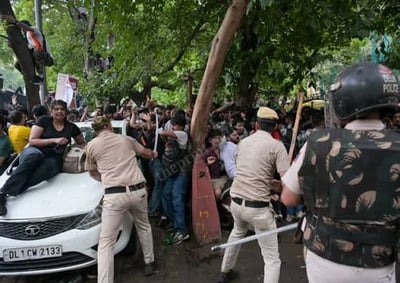
A wide administrative wave of suspensions and job terminations has begun targeting working professionals who publicly supported recent student demonstrations. Across several regions, teachers, school principals, university professors, and medical doctors are facing sudden disciplinary actions, internal investigations, and direct job losses. Institutional authorities, school management boards, and university bodies are using employment conduct rules to penalize individuals who attended protests, shared support on social media, or provided guidance to protesting students. This growing workplace action has raised serious concerns among legal experts and civil rights activists regarding freedom of expression and employment security.
Among those impacted are high school educators and university professors who actively joined solidarity rallies organized by student groups. In one instance, a senior assistant professor was served an immediate termination order shortly after returning to campus from a protest site. College administrators stated that participating in public demonstrations violated employment contracts and institutional discipline policies. However, affected educators argue that attending peaceful public gatherings outside duty hours is a fundamental constitutional right. Similar administrative inquiries have been opened against school principals and medical professionals who offered logistical aid or moral support to student demonstrators.
The crackdown relies heavily on civil service conduct rules and private employment clauses that prohibit staff from participating in political assemblies or criticizing official policies. In multiple states, government departments have instructed local administrations to inspect attendance logs, review public video footage, and monitor online activities to identify employees who supported student movements. While a few suspensions were temporarily halted following public pressure and legal intervention, many professionals remain suspended without clear timelines for inquiry completion or reinstatement.
The widespread disciplinary measures have created an atmosphere of uncertainty among public sector workers and academic professionals. Legal representatives representing the affected employees emphasize that many participants joined non-partisan rallies aimed purely at highlighting student welfare and educational reforms. As dozens of teachers, doctors, and principals challenge their terminations in regional service tribunals and courts, the issue has transformed into a larger legal debate over worker rights, academic independence, and the limits of state authority over private civic engagement.