
Tragic AN 32 Crash In Assam Kills 5 IAF Personnel Over 100 Military Aircraft Lost Since 2014
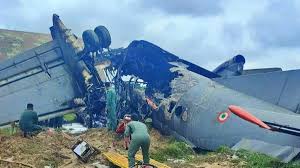
A devastating aviation accident has struck the Indian Air Force after a Soviet origin Antonov AN 32 tactical transport aircraft crashed during a routine landing at the Jorhat Air Force Station in Assam. The twin engine cargo plane took off at approximately 10 am for a standard training flight but unexpectedly requested an immediate return to the base due to an unconfirmed technical development. During the high pressure landing sequence, the aircraft violently veered off the paved runway, fractured cleanly into 2 distinct pieces, and instantly erupted into an intense fire. Out of the 6 people on board, 5 dedicated IAF personnel tragically lost their lives on impact, while 1 co pilot miraculously survived the crash with severe injuries. The Air Force leadership has ordered a high level court of inquiry to establish the precise chain of operational failures that caused the multi ton workhorse to lose structural integrity on touch down.
This latest tragedy in Jorhat has instantly reignited a fierce national debate regarding the broader safety records and structural vulnerability of national aviation assets. Long term data tracking reveals that between 2014 and 2026, the Indian Air Force has lost a staggering 106 aircraft to various operational accidents, resulting in the tragic deaths of 79 highly skilled pilots and crew members. When these military losses are combined with private commercial aviation disasters like the catastrophic June 2025 Air India crash in Ahmedabad that claimed 260 lives and the 2020 Calicut runway overshoot that killed 21 people, the combined civilian and military toll since 2014 climbs to over 360 fatalities across Indian skies. Analyzing these extensive numbers reveals an incredibly worrying pattern of hardware wear and tear, especially regarding aging fleets like the 4 decade old AN 32 variants. While these transport assets have historically formed the logistical spine of remote defense border operations, keeping them flying through endless cycles of upgrades exposes aircrews to escalating technical dangers.
A closer inspection of the structural issues facing defense aviation suggests that the persistent rate of accidents is a symptom of severe maintenance stress and training gaps rather than isolated pieces of bad luck. Investigative audit reports from the defense sector indicate that nearly half of all post 2014 military aviation crashes are linked directly to technical defects and component fatigue, while the remaining incidents are attributed to human error under harsh weather environments. The constant delay in completely phasing out Soviet era logistical fleets has forced the military to continuously push these platforms past their intended operational lifespans. This extended usage places immense pressure on engineering teams to secure specialized spare parts from volatile international markets, often resulting in dangerous service delays or compromised safety margins. When young pilots are routinely sent into high altitude terrain inside platforms requiring heavy manual corrections, the margin for handling sudden onboard emergencies shrinks to near zero, making structural failures almost inevitable.
The recurring loss of precious human lives and expensive aviation equipment underlines an urgent regulatory crossroad for the country aviation leadership. For over a decade, both military planners and civil aviation oversight bodies have promised comprehensive overhauls of basic safety protocols, yet the persistent arrival of fresh accident reports indicates that current corrections are too slow. Relying entirely on emotional tributes after fatal crashes fails to address the underlying infrastructure problems that continue to plague both military hangars and private airline runways. To prevent future operational disasters, the state must transition from a reactive model of crisis management to an absolute, uncompromising policy of grounding platform families that show repetitive design flaws. As rescue teams clear the charred wreckage of the AN 32 from the Jorhat runway, the tragic loss of 5 service members serves as a definitive warning that modernizing safety monitoring frameworks must happen immediately to protect the people flying national aircraft.