
Trump Iran Peace Deal Stalls Over Six Months Of Failed Talks Is Trump Controlled By Netanyahu
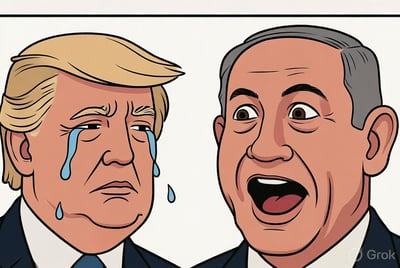
A massive shift in global geopolitics is unfolding as United States President Donald Trump announces that a comprehensive peace agreement with Iran has been largely negotiated and is now awaiting finalization. This monumental breakthrough comes after a highly intense period of military conflict that erupted earlier this year, leaving the global economy and oil markets in a state of deep uncertainty. The emerging deal, structured as a fourteen point framework, aims to permanently halt hostilities across all regional fronts. According to senior officials, the foundational pillar of this agreement is an official declaration to end the war, which will be accompanied by a phased lifting of the strict United States naval blockade on Iranian ports. The breakthrough was achieved following relentless diplomatic mediation by regional powers, most notably Pakistan, which hosted historic face to face talks in Islamabad alongside critical diplomatic support from Saudi Arabia, the United Arab Emirates, Qatar, and Turkey.
The sudden rush toward a diplomatic resolution has raised serious questions among global analysts, particularly given that Donald Trump had been entirely unable to successfully negotiate any meaningful resolution over the past six months of escalating regional chaos. For half a year, repetitive deadlines passed without progress while the conflict expanded and economic devastation deepened across international energy corridors. This prolonged gridlock has fueled intense speculation regarding who is truly driving the American diplomatic strategy, with critics openly asking if Israeli Prime Minister Benjamin Netanyahu is controlling Donald Trump behind the scenes. Heated phone calls between Washington and Jerusalem leaked to the public, exposing a deep initial rift where the Israeli leader fiercely resisted any premature concessions to Tehran, effectively slowing down previous American peace initiatives for months until specific Israeli security conditions were met.
While Trump publicly brushed off the friction by claiming Netanyahu would do whatever the American administration desired, the final text of the agreement tells a much more complicated story of influence. Israel successfully secured ironclad guarantees that the final treaty must completely eliminate the Iranian nuclear threat by dismantling enrichment facilities, and Trump explicitly backed Israel freedom of action to strike targets in Lebanon regardless of the ceasefire. This heavy alignment has led many regional analysts to suggest that while Trump desperately wanted a quick diplomatic victory to break a six month streak of stagnation, Netanyahu has effectively steered the specific terms of the deal to match Israeli security priorities. The fact that the United States refused to soften its stance until Israel signed off on the parameters heavily indicates that Washington strategy is bound tightly to the strategic veto of Jerusalem.
The ultimate success of this historic initiative depends entirely on how both nations navigate the final details over the coming weeks. United States Secretary of State Marco Rubio has signaled that the world might receive definitive good news very shortly, yet President Trump has tempered immediate expectations by instructing his team not to rush into a final signing without securing verification measures. For a region that has endured months of devastating strikes, naval blockades, and economic strangulation, this framework represents the most viable path toward long term stability seen in years. If the transition from a fragile ceasefire to a signed permanent treaty succeeds, it will not only secure global energy corridors but also reshape the geopolitical landscape of the Middle East for a generation. If it fails, the region faces the immediate prospect of returning to an even more devastating phase of total military conflict.