
Trump Warns Iran of Total Blackout Next Week as War Threatens to Cut Power for Millions
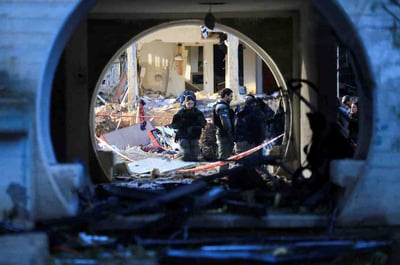
The dangerous standoff between Washington and Tehran has reached a terrifying tipping point. In a highly charged television broadcast on Tuesday, July 14, 2026, President Donald Trump delivered his most aggressive warning yet to the Iranian leadership. He declared that the United States military is fully prepared to launch devastating airstrikes against Iran's civilian power plants and transportation bridges starting next week. For months, both nations have traded military blows, but this new threat targets the very lifeblood of daily survival for ordinary citizens. By directly promising to turn off the lights and cut off transit for millions of people, Washington is shifting from tactical military engagements to a campaign of absolute pressure designed to force a diplomatic surrender.
This sudden escalation comes on the heels of the total collapse of the fragile June 17, 2026, ceasefire. The brief pause in fighting did little to settle the deep-seated friction between the two capitals, particularly over who controls the strategically vital Strait of Hormuz. With peace talks in complete ruins, the United States Central Command has reactivated a massive naval blockade, sending 20 warships and hundreds of combat aircraft into the region. The White House claims that Iran has repeatedly broken past agreements, leaving military force as the only remaining language to pressure Tehran. However, threatening critical public systems like electricity and transportation raises serious legal questions under international law, as these strikes could trigger a massive humanitarian disaster.
The physical reality on the ground is already turning grim. While Trump maintains that American forces are being careful to avoid civilian casualties, the economic and social toll of a sustained blackout would be catastrophic. Power grids do not just light up homes; they run water treatment facilities, keep hospital equipment operating, and preserve food supplies. In response to the growing American pressure, Iranian lawmakers have reacted with defiance, moving to officially end their previous agreements with Washington and calling for immediate military retaliation. This hardline stance suggests that rather than pushing Iran to negotiate, these extreme threats might only strengthen their resolve to fight back, increasing the likelihood of a wider regional war.
Ultimately, the current strategy is a high-stakes gamble that could easily spiral out of control. By threatening the physical survival of the Iranian population to force a political deal, the United States is pushing the boundaries of traditional diplomacy. If Tehran chooses to retaliate rather than surrender, the entire Middle East could find itself trapped in an endless cycle of destruction. A peaceful resolution is still possible, but it requires both sides to step back from the edge of the cliff and look for realistic compromises. Until a genuine diplomatic path is established, millions of innocent people will continue to live in fear of the moment the lights finally go out.