
Venezuela Earthquake Death Toll Crosses Thousands As Recovery Operations Enter Critical Phase
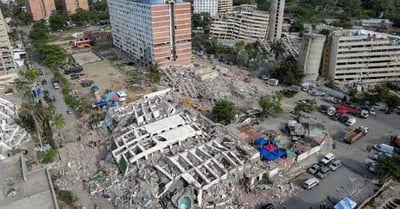
A massive humanitarian disaster is unfolding across South America following one of the most destructive natural disasters in the modern history of the region. On July 11 2026, Venezuela National Assembly President Jorge Rodriguez provided a grim update to journalists regarding the twin earthquakes that tore through the north-central states on June 24. The official state reports confirm that the total number of fatalities has now reached 4333, while the count of individuals suffering from severe physical injuries stands at 16740. The catastrophic event occurred when a powerful magnitude 7.2 earthquake was instantly followed just 39 seconds later by a massive magnitude 7.5 tremor, catching millions of residents completely off guard. The back-to-back seismic shocks completely leveled multiple high-rise apartment structures, fractured vital roadways, and completely shattered water and electricity supply networks across 7 different states, with the coastal territory of La Guaira and the capital region of Greater Caracas bearing the brunt of the destruction.
Emergency response teams alongside dedicated humanitarian workers have executed incredible feats, successfully rescuing 6462 individuals alive from underneath the concrete wreckage. To handle the massive wave of displacement, state authorities have set up 94 temporary shelter camps that are currently housing more than 18000 citizens who suddenly lost everything. According to detailed structural reports, the extreme force of the tremors impacted at least 856 large buildings, resulting in the total or partial structural collapse of 190 massive complexes. To address the long term shelter crisis, acting President Delcy Rodriguez announced that the administration has officially set up a Unified Housing Registry to log affected families and will begin distributing the first 200 newly allocated homes next week. The government estimates that a minimum of 25000 new residential units must be constructed from scratch, prompting officials to secure 40 distinct plots of land spanning 584000 square meters in regions like Osma and Chuspa to rapidly begin building single-family transitional homes.
The massive scale of this tragedy has cast a harsh light on the deep systemic challenges that limit the immediate disaster management capacity of the nation. For nearly a decade, severe economic constraints have left local medical clinics, emergency vehicles, and civil defense teams lacking modern specialized rescue gear. While the swift deployment of 30000 citizens volunteering for field work demonstrates incredible community strength, utilizing untrained civilian labor highlights the severe lack of professional heavy engineering units needed to navigate delicate search sites safely. Furthermore, the decision of the administration to initiate massive rental law reforms and establish emergency credit systems represents a desperate attempt to stabilize the housing sector, but these financial tools might take months to offer real relief to families sleeping in local sports stadiums. The sudden push by top state officials requesting foreign governments and global banking institutions to instantly release billions in frozen assets to fund reconstruction further reveals that the domestic treasury lacks the financial reserves required to handle an industrial scale rebuilding effort without massive international intervention.
The path ahead for the affected territories remains incredibly long and depends entirely on coordinated global solidarity and transparent governance. The United Nations has already launched a major financial appeal for nearly 300 million dollars to sustain ongoing field supply distributions, including critical medical items, clean drinking water, and temporary tents. As specialized teams continue to carefully monitor the final active debris zones in search of remaining survivors, the official process of identifying 315 recovered bodies continues to place an emotional strain on grieving local communities. The long term socio-economic fallout will undoubtedly reshape regional demographics, as entire coastal towns must be planned and constructed completely anew under strict modern seismic engineering codes. The ultimate success of this monumental recovery plan will depend not just on building brick walls, but on whether global powers can successfully pause geopolitical friction to ensure that essential life saving funds reach the citizens who are currently struggling to survive in the ruins.