
White House Issues Bold Threat To Shut Down Iran Power Network Next Week
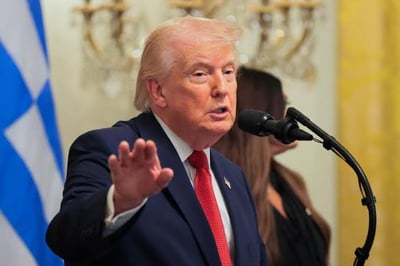
The dangerous military standoff between the United States and Iran has taken a highly alarming turn as Washington officially threatens to paralyze the daily life of millions of citizens. Speaking during a television interview on July 14, 2026, U.S. President Donald Trump announced that American forces are prepared to expand their current bombing campaign to knock out the entire Iranian electrical grid and critical bridges by next week. This massive escalation follows the total collapse of a brief June ceasefire that had offered temporary hope to the region. The White House confirmed it has already submitted a formal notice to lawmakers, establishing a new 60 day legal window to execute these major operations without requiring immediate congressional approval. For 4 straight days, heavy American airstrikes have shaken the Iranian coastline, attempting to break the nation's resistance through a strict naval blockade reinstituted on all local ports.
This confrontation is fueled by a bitter struggle over the strategic Strait of Hormuz, where global oil shipments have plummeted to a mere 10% of standard capacity. Iran considers the administration of this narrow waterway its sovereign right and has retaliated by closing the passage to hostile ships while launching drone strikes against regional U.S. bases in Jordan, Kuwait, and Bahrain. In a surprising financial twist, the American president initially proposed enforcing a steep 20% transit tax on all international ships navigating the area to pay for U.S. military protection. However, faced with rapid global backlash and deep anger from international trading partners who viewed the toll as a form of state piracy, the administration abruptly scrapped the transit fee plan on July 14, 2026. The administration shifted its focus toward securing massive trade and investment commitments from wealthy Gulf allies instead.
The choice to target essential public utilities marks a concerning departure from standard rules of modern warfare. Striking civilian networks that supply electricity to homes, hospitals, and water systems during the peak of summer raises serious legal dilemmas, as international humanitarian law strictly forbids the deliberate destruction of infrastructure necessary for civilian survival. While Washington claims these harsh tactics are designed to force a stubborn adversary to the negotiating table, history shows that such extreme economic and physical pressure often backfires. Rather than forcing cooperation, aggressive actions frequently empower political hardliners within the targeted country, making peaceful diplomacy nearly impossible to achieve. The current strategy relies heavily on the belief that a complete naval blockade and blackouts will break the opposing leadership before a massive regional war erupts.
Ultimately, this high stakes game of chicken places millions of innocent people directly in harm's way while threatening the stability of global energy markets. The Iranian foreign ministry remains defiant, stating clearly that military coercion will never force them to accept one sided American terms. With oil prices rising 15% in a single week to 85 dollars a barrel, the global economic ripple effects are already being felt by ordinary consumers worldwide. If neither side finds a way to compromise before the looming deadline next week, the international community could soon witness a devastating conflict that extends far beyond the borders of the Middle East.