
US Senator Tim Sheehy introduces End H-1B Abuse Act seeking 3 year pause on visas and 100000 dollar fee
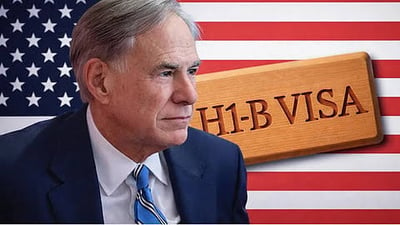
In a major legal development affecting global technology professionals and American hiring policies, US Senator Tim Sheehy introduced a sweeping new bill in the Senate on 25 July 2026. Titled the End H-1B Abuse Act, the legislation seeks to implement a strict 3 year pause on the issuance of fresh H-1B visas to temporary foreign workers. Additionally, the Republican lawmaker from Montana wants Congress to formalize the heavy 100000 dollar petition fee originally announced by the Donald Trump administration. The introduction of this bill comes immediately after a US federal appeals court upheld a lower court ruling that struck down executive efforts to collect the 100000 dollar fee, deeming it an unauthorized tax. By bringing this proposal to the floor of Congress, lawmakers seeking immigration restrictions hope to bypass courtroom challenges by establishing statutory authority through explicit federal legislation.
The End H-1B Abuse Act outlines a complete overhaul of the current high-skilled immigration framework rather than just temporary restrictions. Under the provisions of the proposed bill, once the 3 year moratorium ends, the annual cap on H-1B visas would be slashed drastically from 85000 down to just 25000 per year. The draft legislation also demands a minimum salary threshold of 200000 dollars for visa recipients, effectively eliminating entry-level foreign technical roles. Furthermore, it permanently replaces the traditional computer-based random lottery system with a wage-prioritized selection model. To prevent domestic worker displacement, the bill prohibits third-party staffing agency deployments, bars concurrent employment across multiple firms, and ends work authorization programs like Optional Practical Training for international university graduates.
For foreign professionals and the American tech sector, the legislative proposal introduces severe structural obstacles to long-term career growth. The bill includes provisions to eliminate dual intent status, meaning foreign employees on temporary work visas would no longer be eligible to transition toward permanent residency Green Cards. It also seeks to prevent primary visa holders from bringing family members to the United States on H-4 dependent visas. Sponsors of the legislation argue that the current H-1B ecosystem allows large corporations to substitute domestic talent with lower-paid foreign labor. Industry groups and global talent advocates countered that shutting down skilled immigration pathways creates severe talent shortages in specialized fields, threatening broader economic productivity and international competitiveness.
Analyzing the broader impact reveals that while the bill faces a challenging legislative path in Congress, its introduction signals a persistent legislative push toward economic protectionism. The repeated attempts to impose severe financial penalties and structural bans reflect a deliberate effort to alter corporate hiring habits permanently. If enacted, American technology companies would be forced to completely restructure their recruitment pipelines, while international graduates and skilled professionals from major source nations like India would face limited entry pathways. Beyond immediate legal debates, the introduction of the bill highlights how skilled immigration remains one of the most polarizing and heavily contested economic policy debates in Washington.
In conclusion, the proposed 3 year pause and codified petition fees mark a critical juncture in the ongoing debate over skilled foreign labor in the United States. While supporters argue that the End H-1B Abuse Act is essential to safeguard domestic employment opportunities, foreign workers and technology companies warn that strict restrictions could harm overall innovation. As Congress debates the sweeping measures over the coming months, global workers and American businesses will closely track whether these restrictive immigration proposals receive enough legislative support to become permanent federal law.