
US welcomes removal of International Criminal Court chief prosecutor Karim Khan after misconduct vote on 25 July 2026
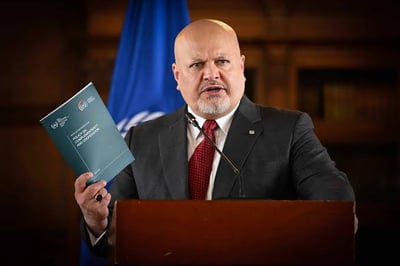
In a unprecedented decision at the United Nations headquarters in New York on 25 July 2026, member states of the International Criminal Court voted by a large majority to dismiss chief prosecutor Karim Khan. The governing body of the court, known as the Assembly of States Parties, held a closed door session where 82 of the 125 member states voted in favor of removing the 56 year old British barrister. The historic vote came after an internal investigation concluded that Khan had committed serious misconduct and a serious breach of duty connected to sexual misconduct allegations involving a female staff member. Out of the total voting members, only 13 states voted against the dismissal while 15 states chose to abstain.
The government of the United States reacted quickly to the high profile removal from Washington. United States State Department spokesperson Tommy Pigott stated that Washington welcomed the exit of Khan, describing him as a clear symbol of deep institutional problems within the Hague based tribunal. However, American officials made it clear that the removal of 1 individual prosecutor would not halt their ongoing legislative and diplomatic efforts against the tribunal. United States Secretary of State Marco Rubio recently announced a comprehensive campaign aimed at protecting national sovereignty, emphasizing that Washington does not recognize the authority of the tribunal over non member countries or their military personnel.
The troubles surrounding Karim Khan began in 2024 when a female aide raised serious allegations of workplace misconduct and physical assault. While Khan consistently denied every allegation and argued that he was not given a fair chance to present his defense, an investigation by the United Nations Office of Internal Oversight Services gathered detailed testimony from the victim and witnesses. Representatives from international rights organizations such as Human Rights Watch praised the Assembly for upholding workplace accountability standards, noting that international justice bodies must hold their own leadership to the highest ethical principles to maintain global trust. Khan appointed legal representatives who confirmed that he intends to challenge the legality of his dismissal through international judicial channels.
Looking closely at the dynamic surrounding this dismissal, the departure of Khan leaves the International Criminal Court in an extremely fragile political and operational position. The tribunal was already facing severe external pressure after issuing controversial arrest warrants for top global political figures and navigating sanctions imposed by the United States against 13 of its officials. While removing a chief prosecutor facing credible personal allegations helps protect the internal moral authority of the workplace, it simultaneously creates an operational leadership vacuum. Filling this high profile role will require months of political negotiation among member states, leaving the institution vulnerable to external political attacks at a moment when global conflict resolution requires firm judicial leadership.
Ultimately, this major institutional shakeup reveals how delicate global justice frameworks remain when faced with internal misconduct controversies and external geopolitical pressure. The ability of the court to fulfill its primary mandate of investigating war crimes now depends heavily on how swiftly member states can elect a credible successor. As international legal experts monitor the transition period, the court faces the dual challenge of reforming its internal oversight mechanisms while preserving its independence from powerful non member nations that seek to restrict its global reach.