
Why 50 Percent Of Older Car Owners In India Want To Quit E20 Petrol Immediately
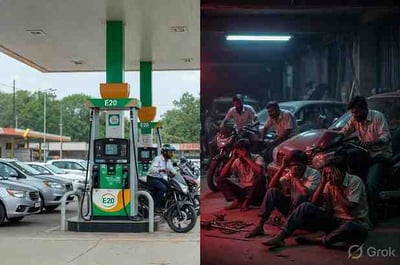
The rapid shift toward green energy in India is creating a massive financial storm for millions of everyday motorists. A comprehensive nationwide study conducted by consumer platform LocalCircles across 316 districts has brought forward shocking data from over 42,000 vehicle owners. The survey explicitly highlights that 55 percent of citizens driving petrol cars and two-wheelers manufactured before 2023 want to completely quit using E20 fuel and switch back to E0 pure petrol or E10 lower blends. Within this frustrated group, 31 percent of drivers stated they are ready to pay a heavy price premium immediately if an ethanol-free fuel option is made available at retail outlets. This widespread consumer backlash comes just over a year after the country achieved its targeted nationwide rollout of 20 percent ethanol-blended petrol. While the policy successfully reduced the massive crude oil import bill of the nation and lowered carbon emissions, it has simultaneously transferred a heavy micro-economic burden onto the shoulders of middle-class families who continue to drive perfectly functional older vehicles.
The main catalyst driving this public frustration is a drastic and highly noticeable reduction in real-world fuel efficiency that directly damages monthly household budgets. While initial lab tests conducted by automotive research agencies predicted a minor 1 to 6 percent drop in efficiency, the on-road reality experienced by Indian commuters is far worse. Nearly 1 in 2 owners of older petrol models have reported a significant drop in mileage, with actual vehicle efficiency plunging by 10 to 20 percent in heavy stop-and-go city traffic. Because ethanol contains a much lower energy density compared to conventional fossil fuels, older engines are forced to consume significantly more fuel to cover the exact same distance. This hidden operational penalty is accompanied by frequent mechanical failures. Approximately 29 percent of surveyed motorists reported unexpected component wear and tear or urgent maintenance needs. Drivers are constantly dealing with engines overheating quickly, severe rough idling, cabin vibrations, delayed cold starts, and a sudden drop in engine power during overtaking maneuvers.
The fundamental cause of these mechanical breakdowns is rooted in chemistry and material incompatibility. Petrol vehicles manufactured before 2023 were strictly engineered to tolerate low ethanol concentrations up to 10 percent. Ethanol is highly hygroscopic, meaning it actively attracts and binds with moisture from the surrounding atmosphere. When an older vehicle remains parked for a few consecutive days, this moisture accumulation causes a chemical process known as phase separation inside the fuel tank, leaving a highly corrosive water-alcohol layer at the very bottom. This corrosive liquid rusts metal fuel tanks, clogs sensitive fuel injectors, and rapidly eats away at the rubber gaskets, plastic lines, and flexible seals within the fuel delivery system. The economic fallout of this chemical mismatch is undeniable. The data reveals that 52 percent of older vehicle owners have already lost between 5,000 Rupees and over 25,000 Rupees in additional fuel consumption and unexpected repair bills since the mandatory transition. For the average commuter, this acts as a forced monthly tax, especially since standard non-blended petrol has completely disappeared from the market.
Despite the growing wave of public grievances, policy planners and government ministries show absolutely no signs of slowing down their aggressive renewable energy strategy. The administration strongly defends the ethanol blending roadmap because it successfully preserved thousands of crores in foreign exchange reserves and established a strong financial baseline for domestic sugarcane and maize farmers. To reduce engine knocking issues, the government mandated a higher minimum Research Octane Number of 95 for all E20 petrol sold across the country. However, instead of introducing relief measures or separate fuel stations for older vehicles, the official roadmap is moving forward rapidly, with fresh technical guidelines already being prepared for even richer E22 and E30 blends. Previously, the highest judicial bodies turned down public interest litigation demanding the compulsory availability of ethanol-free fuel, stating that individual consumer issues cannot disrupt macro energy security. This leaves millions of vehicle owners caught in a costly trap, paying the price for accelerated vehicle aging well before their cars complete their legal 15 year operational lifespan.