
Air India Chief Campbell Wilson To Step Down After Rebuilding Airline Foundation
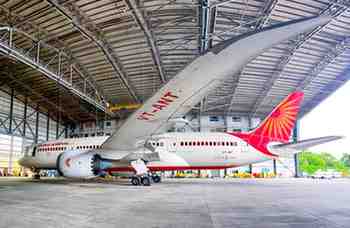
Air India Chief Executive Officer and Managing Director Campbell Wilson has announced his decision to step down from his leadership position marking the end of a highly watched chapter in Indian aviation history. After serving 4 years at the helm of the Tata Group owned airline the corporate leader revealed that he has no immediate plans to take up another full time executive role elsewhere. Wilson had originally shared his intention to step away with Tata Sons Chairman N Chandrasekaran back in 2024 ensuring a well planned and steady transition period. He will continue to manage daily operations until the appointed selection committee finalizes a suitable successor to steer the historic brand. Reflecting on his intense journey Wilson emphasized that the core structural building blocks of the airline have been successfully reconstructed shifting the organization completely from public management to efficient private sector practices.
During his packed 4 year tenure the airline initiated an aggressive transformation plan called Vihaan.AI which involved the massive merger of 4 separate airline brands under a single unified banner. The company successfully added 100 aircraft to its running fleet overhauled its digital infrastructure and established a massive aviation training academy in South Asia. However the ambitious modernization drive hit severe roadblocks due to prolonged post pandemic supply chain constraints and delayed manufacturing shipments from global aerospace partners. These persistent industrial bottlenecks slowed down the installation of custom designed aircraft interiors and restricted the rapid expansion of the long haul fleet. The outgoing leader acknowledged that while the basic structural launching pad is now firmly set the unexpected global delay in receiving aircraft prevented the airline from scaling up as fast as initially planned.
A deeper analysis of the situation shows that Wilson exit comes at an incredibly complex time for Air India. The carrier recorded a heavy financial loss of 2.8 billion dollars for the 2025 to 2026 fiscal year making it one of the toughest financial periods since the private takeover. This massive loss was driven by skyrocketing fuel costs and critical airspace restrictions over the Gulf region due to ongoing conflicts in West Asia which forced international flights to take much longer alternative routes. For example routine flights from Delhi to London that previously took 8.5 hours are now stretching to nearly 12 hours increasing everyday expenditure. Additionally the management faced intense safety scrutiny and immense public pressure following a tragic Boeing 787 Dreamliner accident in June 2025. These combined financial geopolitical and operational emergencies mean the incoming executive will inherit a highly volatile working environment.
Looking forward the next leader of the carrier will have their hands full trying to maintain a delicate balance between aggressive market growth and structural recovery. Candidates like Vinod Kannan from Singapore Airlines and commercial chief Nipun Aggarwal are currently being considered to take over the top position. The structural foundation might be firmly laid as Wilson claims but the real commercial benefits will only materialize once the mega order book of nearly 600 new aircraft begins arriving in large numbers starting in 2027. Until then Tata Group Chairman N Chandrasekaran is taking direct charge of strategic planning and safety assessments to steady the ship. Ultimately Wilson tenure will be remembered as a bold rescue mission that successfully fixed internal legacy issues but left the final success of the airline dependent on how well it survives the ongoing storms of global aviation.