
US And Iran Near Historic Breakthrough Deal Easing Sanctions and Regional Tensions
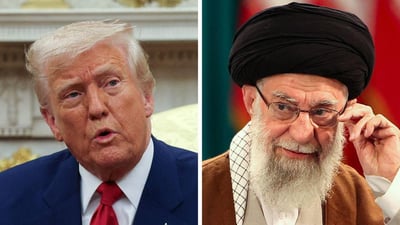
The international community is watching closely as the United States and Iran stand on the absolute verge of a monumental diplomatic breakthrough. According to multiple emerging foreign policy reports a high stakes memorandum of understanding is currently being negotiated through active international mediation. The highly anticipated draft agreement outlines a massive framework aimed at resolving the intense conflict that has heavily impacted global energy markets and security dynamics. Key details of the evolving text suggest that the deal features a phased rollout of sweeping economic sanctions relief for Tehran alongside a strategic rearrangement of military presence in the region. Most notably the terms discuss granting Iran regulated access to nearly 16 billion dollars of its long frozen oil revenues and assets currently held in restricted international bank accounts.
A central element of this diplomatic framework involves the immediate reopening of the critical Strait of Hormuz maritime shipping lane which handles nearly 20 percent of the world daily oil supply. Under the initial terms of the 14 point draft document a mutual agreement would ensure the complete lifting of naval blockades within a 30 day window. In exchange for this vital economic lifeline the current administration in Washington expects a firm commitment to the complete suspension of uranium enrichment and a monitored dismantlement of nuclear infrastructure. Furthermore the draft suggests a gradual withdrawal of foreign military forces from the immediate periphery of Iran boundaries creating a needed buffer zone to minimize the threat of accidental military escalation. The proposed framework also addresses broader regional stability calling for an immediate halt to active hostilities across multiple volatile fronts including the border regions of Lebanon.
Looking closer at the diplomatic details reveals a highly complex narrative with conflicting messages coming from both Washington and Tehran. While Iranian state media channels have eagerly highlighted immediate economic compensation and access to the 16 billion dollars in assets American officials are presenting a much more cautious performance based reality. United States leadership has explicitly pushed back against the idea of unconditional upfront cash deliveries to Tehran. Instead Western negotiators emphasize that financial benefits and the official lifting of energy sanctions will flow strictly in a phased manner only after international inspectors verify that Iran is fulfilling its nuclear containment promises. This noticeable gap in communication shows how difficult it is for both administrations to sell the sensitive peace agreement to their respective domestic political audiences who remain deeply skeptical of the rival nation intentions.
Ultimately this developing peace initiative serves as a critical turning point for global geopolitics and international trade security. If the negotiations succeed the agreement could completely rewrite the security landscape of West Asia while bringing much needed relief to volatile global energy markets. Pakistani mediators indicate that an electronic signing ceremony could happen very soon opening a 60 day window for intense technical follow up negotiations. However the path forward is filled with risk as any sudden security incident or violation by regional proxy groups could instantly derail the fragile progress. The coming days will decide whether this comprehensive text transforms into a lasting framework for international peace or simply stands as another temporary pause in a long history of deep geopolitical rivalry.