
Baby Orangutan Rescued From Smugglers In India Flown Home To Indonesia Under International Wildlife Protection Drive
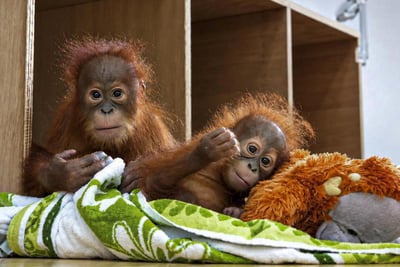
A remarkable cross-border conservation journey came to a joyful conclusion as a young endangered ape rescued from the illegal pet trade in India was flown back to its native tropical homeland. The baby Sumatran orangutan, fondly known as Rocky, touched down at Kualanamu International Airport in the Indonesian city of Medan after traveling safely from Gujarat. Wildlife experts, conservation workers, and diplomatic representatives from the Indian Consulate in Medan stood beside senior officials from Indonesia's Ministry of Forestry to receive the young primate, marking a major triumph against international animal trafficking networks.
The baby ape had endured a painful beginning before being saved by forest protection teams. The small primate was discovered locked inside a narrow iron cage in an apartment flat in Dombivli near Mumbai. Acting on a secret tip-off, forest enforcement teams raided the residential flat, discovering the young animal hidden away with exotic snakes and tortoises. Wildlife smugglers had torn the helpless infant from its mother in the deep tropical rainforests and transported it thousands of miles across hidden sea and land channels to be sold as an expensive status pet to private collectors.
Following the daring rescue, the frightened animal received specialized care and attention from Indian veterinarian teams. Because baby orangutans depend entirely on maternal milk and constant physical comfort during their early months of life, expert handlers and doctors provided round-the-clock round care. The young ape was later moved to a dedicated wildlife rescue facility in Gujarat, where it was provided with natural tree climbers, balanced fruits, and veterinary supervision to help it rebuild its physical strength and overcome the psychological trauma of confinement.
Returning a protected wild animal across international borders is a complicated legal process that took months of patient teamwork. Endangered orangutans are protected under the strictest schedules of the Convention on International Trade in Endangered Species of Wild Fauna and Flora, meaning no animal can be moved between countries without formal clearance from both governments. Wildlife authorities in New Delhi and Jakarta worked together to complete health examinations, genetic tests, and legal approvals to ensure the young ape met all international travel standards. In a warm gesture of international goodwill, Indian authorities took the decision to waive all past expenses spent on the animal's housing, healthcare, and daily food.
Indonesia's Minister of Forestry Raja Juli Antoni expressed deep gratitude to the Indian administration and global conservation teams for nursing the endangered primate back to health and bringing it home safely. The minister pointed out that Sumatran orangutans are on the edge of extinction because of illegal forest logging, palm oil plantations, and ruthless hunting gangs who target infant apes. Conservationists noted that for every infant stolen by smugglers, poachers almost always kill the protective mother in the forest, making each successful rescue a priceless victory for the survival of the species.
Upon landing in Medan, the baby ape was transferred into the custody of experienced handlers from the Centre for Orangutan Protection and specialized wildlife centers. The young animal has been placed inside a quarantine sanctuary, where veterinarians will monitor its diet, weight, and general health after the long flight. Once the quarantine period ends, the ape will enter a forest school program where trained caretakers will teach it essential wild survival habits, such as finding forest berries, building secure night nests in high tree branches, and interacting with other young orangutans, with the final goal of returning it safely to the wild canopy.
The successful handover sets a promising legal and diplomatic standard for upcoming wildlife returns. Indian authorities revealed that five more young orangutans rescued from an illegal transit ring in Odisha are currently receiving medical attention and care at Nandankanan Zoological Park in Bhubaneswar. A team of Indonesian forestry scientists is preparing to visit India in the coming weeks to conduct genetic matching tests, completing the paperwork necessary to bring those rescued animals back to their natural home as well.
Wildlife campaigners and global enforcement agencies noted that the successful repatriation delivers a strong warning to global animal smuggling networks. By showing that countries can cooperate smoothly to track down smugglers, care for fragile victims, and transport them across continents to their native forests, the joint effort shows how cross-border teamwork can protect Earth's most endangered treasures for future generations.