
Bangladesh Garment Minimum Wage Board Agrees to Implement Revised Salary Scale Following Street Protests
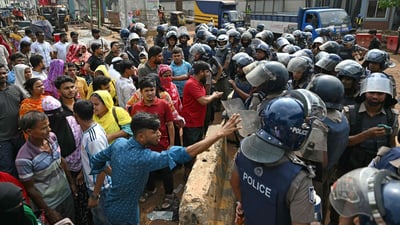
Bangladesh has taken an important step toward calming widespread labor unrest by agreeing to implement a revised pay scale for its massive garment manufacturing workforce starting in December. The decision was reached during the very first meeting of a newly constituted six-member wage board that includes representatives from both factory owners and labor unions. While the board confirmed that the new salary framework will come into force before the end of the year, discussions regarding the exact percentage of the wage hike will be finalized in upcoming sessions.
The official announcement follows several days of widespread demonstrations and factory shutdowns across the key industrial zones surrounding Dhaka. Thousands of sewing machine operators, cutters, and packaging staff walked out of their production units, blocking major transportation routes and highways to make their voices heard. The garment sector serves as the absolute backbone of the national economy, bringing in over eighty percent of all foreign export income and employing around four million workers, the vast majority of whom are women.
At the heart of the labor movement is a demand to raise the minimum monthly salary from twelve thousand five hundred taka to thirty thousand taka. Workers explain that their current earnings, which equal roughly one hundred dollars, are simply not enough to pay for rent, buy basic groceries, and pay for school books for their children. Over recent years, steep inflation has driven up the prices of rice, cooking oil, vegetables, and cooking gas, leaving working-class families in severe debt by the second week of every month.
Labor representative Babul Akter, who sits on the newly formed board, told reporters that the agreement guarantees that workers will draw their first increased salaries under the revised system in January. He emphasized that union representatives will continue to push firmly during the coming meetings for an increase that genuinely matches the real cost of living. For ordinary workers who spend ten to twelve hours a day on factory floors, the commitment to revise salaries brings cautious hope after months of growing financial hardship.
The unrest created serious concerns among global fashion giants and international retail brands that depend heavily on Bangladeshi textile factories. Major Western companies, including H and M, Zara, and Walmart, source large quantities of their everyday clothing lines from industrial clusters in Gazipur and Savar. Because the protests occurred during a crucial production window when factories prepare spring and summer shipments for foreign markets, retail analysts worried that prolonged factory closures could cause severe delivery delays across global supply chains.
Factory owners and garment manufacturer associations have expressed their own set of difficulties during negotiations. Factory owners pointed out that production facilities are already dealing with high electricity and gas tariffs, increased raw material costs, and rising transport expenses. Many owners argue that if salaries double overnight without international buyers agreeing to pay higher prices for finished garments, smaller manufacturing units could be forced to shut down permanently, causing job losses.
Independent economists and labor policy researchers believe that an increase in wages is both necessary and achievable if factory managers improve productivity and modernize operations. Experts point out that relying on ultra-low wages as the only way to stay competitive in global trade is no longer sustainable. They have also called on international fashion corporations to adopt fairer purchasing practices by paying slightly higher rates per garment, ensuring that the poor women who make the clothes can live with basic human dignity.
With the framework now established, government officials, factory managers, and labor representatives face the task of agreeing on a final number that offers relief to working families while protecting the health of the export industry. For millions of workers waiting anxiously in their neighborhood rooms across Dhaka, the coming weeks will determine whether their long hours behind sewing machines will finally translate into a livable income.