
Karnataka Bus Ticket Price Rise Announced as Transport Minister Byrathi Suresh Cites Fuel Costs and Heavy Financial Losses
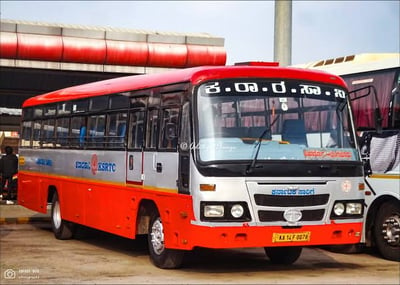
Bus ticket prices across Karnataka have increased sharply after state transport officials announced a major revision in fares for all government-run services. The decision to raise passenger ticket rates comes as the four state transport corporations struggle with deep economic stress caused by heavy fuel spending and growing unpaid bills. Daily passengers who depend on public transport in Bengaluru and across different districts now have to pay more for their daily journeys to offices, colleges, and markets.
Karnataka Transport Minister Byrathi Suresh explained the reason behind the price revision, stating that the public bus corporations have accumulated total losses of about ten thousand two hundred crore rupees. The minister shared that the transport bodies have reached a critical financial situation where running daily routes has become extremely difficult without revising ticket prices. He explained that the corporations together suffer annual operational losses of around two thousand crore rupees every single year.
Rising diesel rates have been cited as the single biggest factor hurting the finances of the bus agencies. According to government records, fuel prices have increased by over ten rupees per liter across multiple price jumps in recent months, taking diesel to around ninety-eight rupees per liter. Because public transport buses cover millions of kilometers every single day, the state bus corporations spend roughly fifteen crore rupees daily on diesel alone, adding up to thousands of crores in fuel bills every year.
Under the revised fare structure, city commuters in Bengaluru using Bengaluru Metropolitan Transport Corporation buses, known as BMTC, are facing an average price increase of thirty-five percent. The minimum fare for a short city bus ride has moved from six rupees to ten rupees, while long-distance city trips and air-conditioned Volvo services have also seen marked increases. For intercity and rural travelers using KSRTC, North Western, and Kalyana Karnataka transport services, fares have increased by an average of twenty-three percent.
The financial burden on the state bus companies has grown heavier due to rising employee costs and unpaid retirement benefits. A twelve and a half percent wage increase for transport workers added thousands of crores to overall operational spending. Official figures show that the total liabilities and pending dues of the four corporations stand close to ten thousand crore rupees, which includes large unpaid amounts toward employee provident funds and fuel suppliers.
The price jump has hit everyday commuters particularly hard because it follows closely after recent increases in household expenses. Just days before the bus fare revision, the state government had approved a price rise for Nandini milk across retail counters. With basic daily essentials becoming more expensive alongside local transport, middle-income families, daily wage earners, and students have voiced strong frustration about their rising monthly expenses.
Responding to public questions about the Shakti scheme, which allows women to travel for free on non-luxury state buses, the minister maintained that free travel for women was not the cause of the financial trouble. He stated that around seventy-four lakh women use the free travel benefit every day, and the state government reimburses the bus companies for those tickets, even though delays sometimes occur in releasing the money. Transport officials stressed that diesel price spikes and long-delayed fare adjustments were the primary reasons for the current shortfall.
Opposition leaders and citizen advocacy groups have strongly criticized the decision, arguing that ordinary citizens are being forced to pay for administrative mismanagement. Political critics pointed out that public buses serve as the lifeline of the working class and hiking ticket prices by over thirty percent creates an unfair burden on people who have no other travel choices. In response, the transport minister stated that the state would be willing to roll back the fare hike if the central government lowers taxes and duties on petroleum products.
The revised ticket prices came into immediate effect from the early hours of Thursday, November 5, leaving passengers across bus stations to adjust to the new rates at ticket counters. Commuters and passenger welfare associations have urged the state government to find sustainable funding solutions and reduce fuel taxes rather than passing the financial burden onto ordinary travelers who rely on public buses every day.