
Bangladesh Protests India Permission For Sheikh Hasina Press Interaction In New Delhi
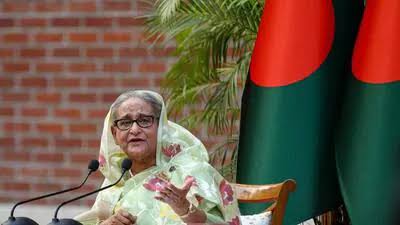
A diplomatic dispute erupted between Dhaka and New Delhi after deposed former Prime Minister Sheikh Hasina held her first virtual press conference from India since fleeing her country. The event took place on the second anniversary of the political uprising that forced her out of office, prompting a sharp reaction from the Bangladesh Ministry of Foreign Affairs. Official representatives in Dhaka expressed deep outrage over the decision to allow the live media interaction, characterising the event as a direct insult to citizens and a provocation on a solemn national occasion. The interim administration stated that it had formally communicated its serious concerns to Indian officials prior to the event, warning that permitting political broadcasts from Indian territory would complicate ongoing efforts to rebuild bilateral ties. The development has introduced fresh tension into the delicate diplomatic relationship, as Bangladesh continues to demand the extradition of the former leader under existing bilateral agreements.
During the audio virtual briefing organized by the Foreign Correspondents Club of South Asia, the former leader addressed journalists without appearing on camera, offering a fiery defense of her previous administration. She rejected the established accounts regarding the widespread unrest that led to her resignation, describing the massive public demonstrations as an organized political scheme rather than a spontaneous student movement. Asserting her intention to return home in December to restore democratic stability, she claimed that the present environment in Bangladesh is marked by fear and economic instability. Former associates and political allies joined the session virtually to echo her claims. The broadcast immediately generated intense public reactions across Bangladesh, where memory of the heavy security crackdown remains a central theme in national discourse.
In response to the press briefing, the Bangladeshi Foreign Ministry released a strongly worded statement condemning the remarks made from Indian territory. Officials described the speech as a harmful narrative that sought to deny findings documented by international human rights bodies regarding civilian casualties. The diplomatic statement emphasized that allowing an absconding politician convicted of severe offenses to address the media from New Delhi stands as an affront to national sovereignty. The ministry further expressed frustration that repeated formal requests seeking her return under the 2013 India Bangladesh Extradition Treaty have not received a formal reply. Despite the sharp criticism, authorities in Dhaka reaffirmed their commitment to maintaining constructive, forward-looking ties with India, provided that future engagements are grounded in mutual respect, national dignity, and non-interference in internal affairs.
The Indian government moved quickly to distance itself from the controversial broadcast, clarifying its position regarding the media gathering. Representatives from the Ministry of External Affairs explained that the press conference was organized independently by a private press association without any official government involvement, hosting, or endorsement. Indian authorities reiterated that permitting private media events does not signify approval of the views expressed by participants. However, political analysts note that managing the presence of the deposed leader remains a complex diplomatic challenge for New Delhi. While India has historically maintained strong economic and strategic partnerships with Bangladesh, balancing those long-term regional interests against growing public dissatisfaction in Dhaka requires careful navigational steps during a volatile period of regional transition.
The repercussions of the virtual press event quickly spilled over into domestic politics, sparking immediate unrest across several districts in Bangladesh. Hours after former national cricket captain and former lawmaker Shakib Al Hasan shared the virtual press conference on his social media page, a crowd gathered outside his ancestral home in Magura district, throwing stones and setting fire to the outer gate before local residents extinguished the flames. The incident underscores the heightened public sensitivity surrounding any attempts by former political figures to re-enter the public sphere from abroad. As the interim administration in Dhaka works to stabilize governance and prepare for upcoming democratic processes, the diplomatic standoff over political activities on foreign soil serves as a critical test for regional stability and bilateral cooperation between the neighboring nations.