
Ceuta Migrant Crisis Leaves Families Waiting For Proof Of Life Calls As Hundreds Remain Missing
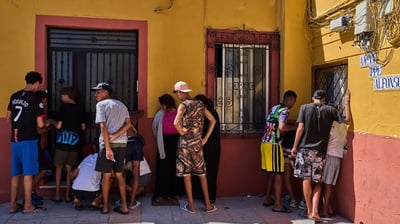
A painful quiet has settled over the coastal border town of Fnideq, where hundreds of anxious mothers, fathers, and siblings gather daily along the iron barriers separating Morocco from the Spanish North African enclave of Ceuta. Just days ago, tens of thousands of young men, women, and children surged toward the shoreline, drawn by widespread viral rumors on social media platforms suggesting that border security checkpoints had been temporarily opened. Spurred by deepening economic hardship, unemployment, and the desperate hope of building better lives in Europe, crowds packed into buses, walked miles on foot, and plunged into cold Mediterranean waters to swim around the high breakwater fences guarding European territory. While the vast majority of the nearly seventy thousand people who crossed have already returned or been sent back by security forces, the physical aftermath has transformed into a profound human tragedy. Dozens of individuals have lost their lives in the water, and scores of families remain trapped in an agonizing state of uncertainty, waiting for a single phone call or message to confirm whether their missing children are still alive.
The human reality of the crisis is written on the faces of relatives who stand in the sweltering heat, stopping returning migrants one by one to present worn paper photographs and smartphone pictures of missing teenagers and young adults. Among them is Ibtissam Chari, a mother from northern Morocco who has spent nearly a week searching for her young son Rayan. After hearing social media reports about an open border, Rayan set out with a small group of neighborhood friends to make the journey. He managed to place a brief, breathless phone call to his mother immediately upon reaching the shoreline, but his mobile phone has remained switched off ever since. Similar heartbreaking stories echo across the border zone, where grieving parents scan every arriving group of deportees and returnees in the hope of hearing familiar voices. Another distraught mother from Tangier explained that her twenty-three-year-old unemployed son left home without warning, leaving her with no choice but to travel directly to the frontier to ask strangers if they recognized his face among the crowds that attempted the ocean swim.
The sudden humanitarian shock has strained diplomatic and administrative infrastructure on both sides of the Mediterranean divide. According to official government statements, Spanish authorities worked in close coordination with Moroccan counterparts to process and return over forty-eight thousand people within forty-eight hours of the initial rush. However, the speed of these returns has created immense confusion regarding the whereabouts of those who vanished during the chaotic sea crossing. Local morgues in nearby Moroccan cities like Tetouan have received numerous bodies recovered from coastal waters, while emergency health workers continue to treat survivors for severe exhaustion, hypothermia, and physical injuries sustained against sharp border rocks. Meanwhile, community social media groups that originally circulated instructions on where to cross have morphed into digital missing persons bureaus, filled with thousands of frantic appeals, photographs, and contact numbers posted by desperate family members seeking any verifiable proof of life.
A particularly complex challenge involves the hundreds of unaccompanied minors who successfully entered the enclave during the surge. Spanish legal frameworks strictly prohibit the immediate summary expulsion of underage individuals, meaning that nearly one thousand children remain housed in makeshift shelters, government reception centers, and outdoor camps across Ceuta. Existing care facilities designed to host a few hundred people have been completely overwhelmed, leaving local authorities struggling to provide adequate food, sanitation, and medical support. In response to growing public concern, specialized youth welfare units in Ceuta have established dedicated telephone hotlines and official reporting protocols to assist worried parents in tracking missing children who may be under government protection. Even so, language barriers, procedural delays, and strict identification requirements mean that many families face days of silence before learning if their children are safe in a European shelter or lost at sea.
Beyond the immediate emotional trauma experienced by affected households, the events at Ceuta have reignited intense political debates over European border policy, economic displacement, and regional migration management. Rights organizations and civil society advocates have called for comprehensive independent investigations into the casualties, urging authorities to prioritize human dignity and family reunification over rapid border enforcement. Economists note that as long as youth unemployment and economic desperation persist across North Africa, online rumors will continue to trigger sudden, dangerous migration attempts regardless of physical barriers. For the families still waiting beside the rusted iron gates of Fnideq, however, grand political debates offer very little comfort. They remain rooted to the border road, holding tightly to printed photographs, clutching silent mobile phones, and waiting for the single call that could bring an end to their living nightmare.