
Benjamin Netanyahu Nuclear Threat Warning Ahead of Polls Sparks Severe Criticism: Will This Technique Help Netanyahu to Win or People of Israel Will Differ From Netanyahu
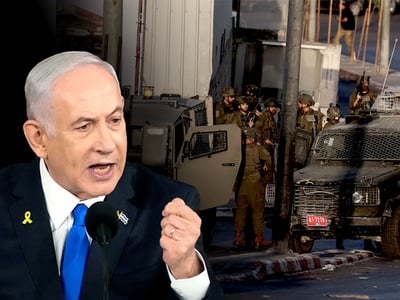
Benjamin Netanyahu has triggered strong political condemnation across Israel after issuing dramatic public alerts asserting that the danger of an Iranian atomic weapon will completely eclipse every domestic problem facing the country. Days before citizens head to polling stations, the long serving prime minister shared detailed warnings arguing that all other national controversies are minor compared to the existential challenge of regional conflict. The move represents an aggressive return to familiar political tactics that place catastrophic security dangers at the center of election debates. However, the calculated maneuver has brought immediate pushback from political opponents and civic groups who accuse the prime minister of exploiting national fear to rescue his own electoral fortunes. The heated exchange has sparked a critical question across the nation over whether this technique will help Netanyahu to win or people of Israel will differ from Netanyahu and reject the alarmist campaign.
The controversial appeal circulated by the prime minister dismissed burning domestic debates, including bitter disputes over military conscription exemptions for religious students, state accountability, and foreign diplomatic friction, labeling them as mere distractions from national survival. The message insisted that the nation has only a narrow window of opportunity to eliminate external threats while holding strong ties with political allies in Washington. It went further to attack political rivals, claiming that any alternative leader would lack the toughness to withstand pressure and complete critical security missions. By framing the ballot as an urgent choice between his personal leadership and collective destruction, the prime minister sought to make security fears dominate the final voting decisions of undecided citizens.
Opposition figures and legal watchdogs responded with sharp criticism, accusing the administration of spreading panic to escape public anger over catastrophic policy failures. Rival party leaders pointed out that the prime minister has spent years portraying himself as the only protector of the nation while presiding over the most devastating security collapses in modern national history. Critics noted that attempting to silence public debate by invoking regional threats is an old strategy designed to make voters forget domestic troubles. Democratic leaders accused the ruling coalition of weaponizing national intelligence matters for pure party interest, warning that true leadership protects citizens rather than frightening them for votes.
The sharp rhetoric comes at a moment when public patience appears deeply strained across major urban centers. Just days prior to the warning, tens of thousands of citizens gathered in public squares to demand an independent judicial commission of inquiry into defense breakdowns and government handling of long security crises. For many families who lost loved ones or endured extended hardship, warnings of future dangers sound like an excuse to evade accountability for recent failures. While the prime minister attempts to shift public attention entirely to outside threats, large sections of the electorate remain focused on internal institutional integrity, honest governance, and economic relief.
The reaction among ordinary Israelis shows signs of deep weariness with constant crisis messaging. Many voters express frustration that vital issues like rising living costs, hospital overcrowding, school standards, and judicial independence are pushed aside whenever election day approaches. Even within defense and security circles, retired commanders have voiced skepticism about mixing delicate operational decisions with public campaign propaganda. Experienced military commentators caution that using threat assessments to win votes damages national unity and risks miscalculating dangerous regional dynamics.
Whether this hardline posture will succeed at the ballot box remains the central puzzle of the campaign. Supporters of the prime minister argue that harsh regional realities require an experienced, uncompromising figure who can manage global alliances and deter foreign aggression. Yet, opposition analysts believe the political landscape has shifted permanently, with voters increasingly distinguishing between genuine national defense and self serving political theater. If citizens conclude that their real security has been damaged rather than protected over recent years, the attempt to make atomic fears dominate the election could end up driving voters away rather than delivering victory.
As polling day arrives, the contest has turned into a fundamental referendum on political credibility. The ruling party is gambling that reminding citizens of severe external dangers will rally conservative voters behind an experienced leader. On the other side, opposition groups and grassroots movements are betting that the public will refuse to be swayed by familiar alarms and will demand a fresh direction for the country. The final verdict will reveal whether fear based campaigning still holds the power to decide national leadership or whether the Israeli public is ready to look past alarmist rhetoric and chart a completely different path.