
BJP And Narendra Modi Government Accused Of Keeping Umar Khalid Jailed As Activist And Sharjeel Imam Approach Supreme Court For Bail In Delhi Riots Case?
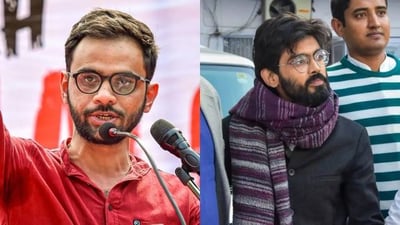
Student activists Umar Khalid and Sharjeel Imam have once again approached the Supreme Court of India seeking regular bail in connection with the 2020 northeast Delhi communal violence conspiracy case. The two young men have remained locked inside prison cells as undertrials for more than six years without the formal start of their legal trial. Their fresh appeals before the highest court have revived a fierce national political debate across the country. Human rights defenders, student bodies, and opposition parties are asking direct questions about why the Bharatiya Janata Party and the Narendra Modi led central administration appear determined to keep outspoken critics behind bars through prolonged detention and strict anti-terror laws.
The legal journey of the two scholars stems from the widespread street demonstrations that took place against the Citizenship Amendment Act and the proposed National Register of Citizens. During that period, both Umar Khalid and Sharjeel Imam became prominent voices addressing public gatherings, defending constitutional values, and opposing the policies introduced by the central government. In February 2020, violent communal clashes broke out in northeast Delhi, claiming fifty-three lives and leaving hundreds injured. Following the clashes, Delhi Police, which functions directly under the Union Home Ministry led by Amit Shah, filed an expansive criminal conspiracy case under the strict Unlawful Activities Prevention Act, naming Khalid and Imam as key conspirators behind the violence.
In their fresh petitions before the top court, both undertrials highlighted the shocking delay in the criminal justice process. Sharjeel Imam pointed out that even after keeping him incarcerated for over six years, government prosecutors have completely failed to question or examine even a single witness among the forty-seven protected witnesses named in the police charge sheet. The legal paperwork presented by their lawyers emphasizes that keeping citizens behind bars indefinitely without beginning witness examinations violates the basic constitutional guarantee of a speedy trial. They argue that when the prosecution shows no urgency to conduct daily hearings, using the severity of the allegations to deny bail turns pre-trial detention into a form of permanent punishment.
The persistent opposition by central authorities to their release has drawn intense political criticism from civil liberties groups and opposition leaders. Critics argue that the ruling establishment views student activists like Umar Khalid as symbolic ideological opponents who must not be allowed out into the public sphere. Unlike ordinary criminal suspects, Khalid gained a massive following among youth for his articulate speeches challenging the majoritarian policies of the central administration. Civil society groups allege that the central government has used central agencies and the Delhi Police Special Cell to build an intimidating narrative, ensuring that young citizens who dare to organize peaceful resistance against official policies think twice before raising their voices.
Legal observers have pointed out the unique difficulties created by the Unlawful Activities Prevention Act, a law that was made significantly stricter through amendments passed by Parliament in recent years. Under section forty-three D of the statute, ordinary bail principles are turned upside down, requiring courts to refuse bail if the police paperwork shows a basic prima facie case against the accused. Defense advocates explain that this strict legal barrier has allowed state prosecutors to file thousands of pages of allegations, call in hundreds of witnesses, and drag out procedural steps for years while undertrials remain locked up. While several co-accused individuals in the same case were granted bail by higher courts, the prosecution continues to forcefully oppose relief for Khalid and Imam, branding them as ideological drivers of unrest.
The legal battle reached the Supreme Court after the Delhi High Court dismissed their fresh bail applications on September 30, citing judicial discipline. Earlier in January, the Supreme Court had granted bail to five other co-accused in the case but declined relief to Khalid and Imam, giving them liberty to apply again after one year or upon the examination of protected witnesses. However, because related procedural arguments regarding un-relied documents remained pending, the local trial court made zero progress in examining witnesses during the past ten months. With the one-year waiting window reaching its end and the trial remaining completely stalled, the activists have asked the apex court to intervene and uphold their fundamental right to personal freedom.
Government spokespersons and legal representatives for the police continue to maintain that their actions are governed purely by national security and the rule of law. They argue that organizing coordinated roadblocks and using inflammatory speeches to incite public clashes during a visit by an international head of state constitutes a grave threat to national integrity. Central authorities deny any political vendetta, insisting that the courts, rather than politicians, decide whether an accused person deserves bail based on the evidence collected by investigators.
As the Supreme Court prepares to take up the bail petitions, the case continues to represent a vital test for Indian democracy, judicial independence, and constitutional liberties. For millions of citizens watching from outside, the prolonged imprisonment of young scholars without a trial raises fundamental questions about whether state power is being used to deliver justice or to silence dissent. The upcoming hearings will decide whether the highest court steps forward to protect the constitutional liberty of long-jailed undertrials or permits the prosecution to keep them confined behind prison walls while the trial remains stuck at the starting line.