
Vote Chor Allegations And Gyanesh Kumar Scrutiny Intensify As ECI Restores Oversight On IT Head Following Internal Uproar Over Bypassed Rules
The Election Commission of India has issued a fresh work distribution order restoring administrative supervision over its Information Technology division, ending months of quiet friction within the top election body. The major internal reshuffle arrives at a time when Chief Election Commissioner Gyanesh Kumar is facing fierce political heat over vote chor allegations raised by opposition parties and civil rights groups. Political leaders have accused the poll leadership of using centralized digital systems to alter voter rolls, delete marginalized citizens, and facilitate voter fraud behind closed doors. By reversing an earlier setup that gave the technology department direct reporting authority without administrative checks, the election panel has moved to close an internal loophole that drew sharp internal objections from sitting commissioners.
The roots of the internal dispute trace back to an administrative order issued on July 28 by Senior Deputy Election Commissioner Maneesh Garg, who was holding temporary charge of the administration wing. That order stripped Deputy Election Commissioner Sanjay Kumar, an experienced field administrator, of his supervisory charge over the Information Technology and Information and Communication Technology divisions. Instead, the order gave Director General of IT Dr Seema Khanna a free hand, allowing her to report directly to the Commission without routing files through an intermediate supervisory desk. The move raised serious questions because it bypassed established bureaucratic protocols in an office responsible for the world largest voter database.
The sudden change immediately provoked strong resistance from within the three member constitutional commission itself. On July 29, just one day after the order was signed, Election Commissioner Sukhbir Singh Sandhu and Election Commissioner Vivek Joshi took the unusual step of sending formal written objections to Cabinet Secretary T V Somanathan. Both commissioners warned that an order of such major significance had been issued without consulting the full commission or securing unanimous approval. They emphasized that removing senior administrative oversight from the IT wing weakened institutional checks and balances, especially when digital voter management systems were already under heavy scrutiny.
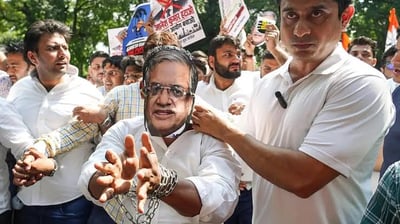
The dispute gained nationwide political importance because the technology division had become the central focus of vote chor allegations raised by the opposition. Leaders across major political parties accused the election administration, under Chief Election Commissioner Gyanesh Kumar, of using software algorithms and centralized databases to quietly strike legitimate voters off the rolls. Critics highlighted instances where field level electoral registration officers found their database access restricted, while centralized servers performed automated deletions and modifications. When opposition rallies began echoing with slogans accusing the poll body of vote theft, questions over who supervises the computer wing turned into a critical national issue.
The controversy was further amplified by unapproved digital modifications introduced to Form 6 on the official ECINET website. New voter applicants discovered that the digital portal demanded ancestral voting records and old polling booth details from past revision drives before allowing them to register. Both Election Commissioner Sandhu and Election Commissioner Joshi formally criticized that digital move as unauthorized and illegal, noting that statutory voter forms can only be amended by the Union Law Ministry. The fact that the technology wing had placed the modified form online without formal statutory clearance added fuel to allegations that digital systems were being manipulated without transparency.
Following the joint objections from the two commissioners, the July 28 work allocation order was kept on hold, and the commission later stated in court filings that the order had never been formally implemented on the ground. Deputy Election Commissioner Sanjay Kumar was subsequently relieved of his duties to return to his parent administrative cadre in the Delhi government, while Senior Deputy Election Commissioner Maneesh Garg handled the files during the interim period. However, persistent questions regarding internal accountability made a formal, binding resolution necessary to restore public confidence.
Under the fresh work allocation order finalized by the commission, Director General of IT Dr Seema Khanna is now explicitly required to submit all official files regarding technology, communications, and public grievance systems through Senior Deputy Election Commissioner Pawan Kumar Sharma. This order ensures that every digital initiative, database modification, software contract, and public portal update must first be vetted by a senior administrative officer before reaching the three commissioners. The commission clarified that the new reporting structure was decided unanimously to ensure proper institutional oversight.
The restoration of administrative checks over the IT division represents an important procedural correction, but the political storm surrounding the poll body remains far from over. Opposition parties continue to demand an independent investigation into the digital systems run under Chief Election Commissioner Gyanesh Kumar, insisting that procedural course corrections inside the office are not enough to clear the cloud of vote chor allegations. For ordinary citizens, having transparent administrative checks over election technology remains essential, ensuring that the digital records guarding their constitutional right to vote are protected by strict rules, mutual accountability, and democratic oversight.