
Bombay High Court extends stay on actor Imran Khan Leave India Notice and demands unconditional apology over SIR protest
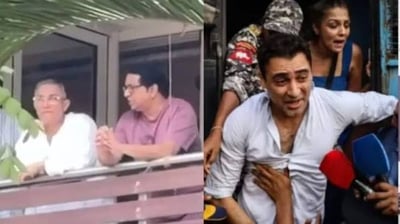
The Bombay High Court has stepped in to temporarily shield film actor Imran Khan from immediate deportation, extending its order that pauses the official Leave India Notice issued against him by immigration authorities. While granting relief that permits the actor to stay inside the country for now, the division bench made its displeasure very clear regarding his public involvement in contentious political demonstrations. The judges directed the actor to file a formal, unconditional apology on affidavit before the court and provide a clear written commitment about his future behavior.
The controversy began when immigration authorities and police officials flagged the participation of the actor in a street demonstration concerning the Special Investment Region project. The protest involved local landowners, farmers, and activists who gathered to raise their voices against land acquisitions and industrial developments planned in the region. Government authorities took note of his physical presence at the rally, arguing that as a foreign national living in India on a specific visa status, he had broken visa regulations by joining active political movements and addressing public rallies against state policies.
Following the protest, central immigration enforcement officers served him with an official notice instructing him to leave the territory of India within a tight deadline. The sudden deportation order pushed the actor to approach the Bombay High Court through an urgent writ petition to protect his right to remain with his family and continue his work. His legal team argued that the deportation order was hasty, disproportionate, and passed without giving him a fair opportunity to explain his actions or present his side of the story.
During the courtroom hearing, senior counsel representing the actor told the bench that their client had no intention of breaking local laws, violating visa conditions, or causing public disorder. The defense lawyer offered to submit an official undertaking stating that the actor would never participate in any future political protests or demonstrations across the country. The counsel further clarified that the actor would neither directly nor indirectly influence other people or his social media followers to join such public movements going forward.
The division bench observed that foreign passport holders residing in India must strictly adhere to statutory visa conditions and avoid engaging in domestic political protests. The judges highlighted that public figures hold wide influence over younger minds, meaning their presence at disputed project sites can quickly escalate local tensions. While acknowledging his deep roots and long residence in the country, the court insisted that an oral statement from his lawyer was not enough, directing him to file a sworn affidavit expressing genuine and unconditional regret for his conduct.
Lawyers appearing for the central government and immigration bureaus maintained that visa privileges are subject to good conduct and non interference in sovereign internal matters. The government counsel argued that allowing foreign citizens to campaign against infrastructure projects creates unnecessary friction on the ground and sets a harmful precedent for other visa holders. However, with the defense counsel agreeing to submit a detailed written apology and a binding legal promise, the bench decided to extend the interim protection to allow the formal paperwork to be placed on record.
The legal confrontation has sparked wide interest across the film industry and legal fraternity regarding the civic rights of foreign nationals living permanently in India. Several well known artists and creative professionals holding overseas passports maintain deep family ties, long careers, and tax paying households in Mumbai. Legal scholars point out that while non citizens enjoy basic human protections and fair hearing rights under the Indian Constitution, political rights like voting, contesting elections, and leading political movements are strictly reserved for Indian citizens.
Film industry colleagues and trade observers have closely followed the case, noting that a deportation order would cause severe personal and professional disruption for the actor. An immediate exit order would freeze ongoing creative projects, pause commercial endorsements, and separate him from his immediate family members who reside in the city. The temporary judicial stay provides much needed breathing room as his legal team prepares the formal affidavit demanded by the judges.
The high court will take up the matter again once the written apology and formal undertaking are officially placed on the legal register. Until the bench delivers its final verdict on the validity of the deportation notice, the police and immigration authorities remain barred from taking coercive action or forcing the actor out of the country. The judicial proceedings stand as a clear reminder that public figures on foreign visas must tread carefully when choosing to step onto political protest grounds.