
Rahul Gandhi challenges PM Narendra Modi to open debate alleging foreign help behind election victory
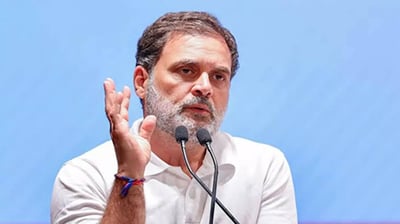
A major political storm has erupted across the country as Congress leader Rahul Gandhi threw a direct challenge to Prime Minister Narendra Modi for an open public debate. Speaking before enthusiastic crowds, Gandhi made a serious claim, alleging that the Prime Minister did not reach the top office through domestic public support alone, but benefited from foreign assistance to secure power. The direct confrontation has electrified the political atmosphere, with leaders from both sides trading fierce remarks across television studios, public squares, and digital forums.
The core of the dispute centers on the dramatic accusation that outside forces and overseas networks played a role in shaping national leadership. Gandhi claimed that several global business deals, international public relations operations, and external financial ties helped build an artificial wave that pushed the ruling party forward. He argued that true leadership belongs to leaders who depend solely on the love and votes of their own citizens rather than pleasing international business bosses. The bold charge has sent shockwaves through political circles, as questions of foreign involvement in national affairs remain one of the most sensitive topics in Indian democracy.
Throwing down an open invitation, Gandhi declared that he is prepared to sit face to face with the Prime Minister anywhere in the country for a live, unscripted debate. He dared the Prime Minister to choose the day, time, and venue, insisting that the conversation should cover foreign policy, domestic job creation, border safety, and billionaire business links. Gandhi argued that in any true democracy, top leaders must not hide behind planned television interviews or one way public speeches, but should have the courage to face tough, unfiltered questions directly in front of the public.
The political showdown gained rapid momentum on November 2, 2026, following a string of fiery public addresses and campaign tours across several regional battlegrounds. Gandhi told party workers that the opposition would not back down from asking hard questions about how the central administration handles critical national interests. He insisted that while the government presents a strong image on the global stage, ordinary farmers, factory workers, and educated youngsters continue to struggle with high prices and vanishing employment opportunities at home.
The ruling Bharatiya Janata Party launched an immediate and blistering counterattack against the Congress leadership. Senior ministers and party spokespersons rejected the foreign help claim as completely ridiculous, baseless, and born out of political frustration. Government leaders pointed out that Prime Minister Modi was chosen through the collective will of hundreds of millions of Indian citizens who waited in long voting lines under the open sun. Ruling party leaders argued that claiming foreign help insults the intelligence and democratic wisdom of the entire Indian electorate.
Ruling party spokespersons went on the offensive by reminding the public of the historic foreign trips and overseas lectures delivered by Gandhi in past years. Leaders from the treasury benches accused the opposition of frequently criticizing domestic institutions, judicial processes, and election systems while standing on foreign soil in London and Washington. Government leaders declared that those who seek foreign attention to criticize their own homeland have no moral authority to question the deep patriotism and popular mandate of the Prime Minister.
The demand for a direct, face to face public debate has created massive excitement among ordinary citizens, college students, and street vendors across the country. In tea stalls, public buses, and local markets, people are actively talking about how exciting a live debate between the two top political figures would be. Unlike western countries like the United States where presidential candidates share a live television stage before every national election, Indian politics has never seen a sitting prime minister debate an opposition rival live on air. Many young voters feel that a open debate would allow common people to evaluate arguments without media spin.
Civil society observers and political analysts point out that the clash reflects a much deeper battle over national sovereignty and economic priorities. For years, opposition parties have questioned large government contracts awarded to friendly business conglomerates, pointing out that several major overseas projects in port building, energy, and defense production raise serious questions about transparency. The government, on the other hand, insists that expanding Indian business footprints across foreign continents creates national pride, enhances geopolitical power, and opens fresh trade avenues for domestic companies.
Everyday working families looking on from the sidelines feel that political leaders must stay focused on their urgent household problems. While accusations of foreign interference dominate prime time news debates, common people continue to worry about the cost of monthly rations, hospital medicine, electricity bills, and school fees. Many citizens note that whether leaders debate each other or not, the real test of any government lies in providing clean drinking water, safe roads, affordable food, and honest jobs for struggling families.
The political temperature across the national capital and regional state capitals continues to climb by the hour. State party units on both sides are organizing demonstrations, street marches, and counter protests to show their street strength. With key state elections approaching and parliament sessions set to begin, the dare thrown across the political floor guarantees that the clash between the ruling party and the opposition will dominate the national conversation for weeks to come.