
Cancer Drug Price Caps Expanded Across 137 Medicines Slashing Treatment Costs Up To Seventy Percent For Indian Patients
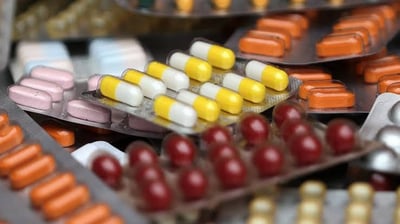
Cancer patients and families across India have received a massive wave of financial relief as the central government moved to cut the prices of one hundred and thirty-seven life-saving cancer medicines by up to seventy percent. The landmark decision takes direct aim at inflated retail prices in hospital pharmacies, making costly injections and tablets far more affordable for common citizens. For millions of working-class households and middle-class breadwinners, receiving a cancer diagnosis in the family has long felt like a double sentence of emotional heartbreak and immediate financial ruin. By stepping in to limit the extra profit margins added along medicine supply chains, the government aims to ensure that life-saving treatments do not remain out of reach for ordinary people who need them to survive.
The official directive was formally issued by the National Pharmaceutical Pricing Authority, the country's drug pricing watchdog that works under the Ministry of Chemicals and Fertilizers. The authority invoked emergency public interest powers under the Drugs Prices Control Order to place a strict thirty percent ceiling on trade margins for these medicines. Under the detailed guidelines, pharmaceutical companies must submit their newly adjusted price lists within seven days of the official gazette notification. These revised and significantly lowered prices will legally take effect across all retail pharmacies and hospital dispensaries starting from the ninth day of the month of November in the year 2026.
To understand why this decision carries such deep meaning for everyday people, one must look at how cancer treatment shatters household finances. When a doctor tells a family that a mother, father, or child has cancer, the medical journey begins with constant tests, surgery, radiation therapy, and repeated cycles of chemotherapy. In private cancer hospitals, a single vial of an advanced injection can easily cost fifty thousand, one lakh, or even two lakh rupees. Because cancer therapy requires multiple cycles stretching over months or years, families quickly run out of insurance coverage. Parents sell farmland, pawn family gold jewelry, take high-interest private loans, or pull children out of school just to buy the next set of injections.
The primary driver behind these sky-high bills was not always the actual manufacturing cost, but excessive profit markups added by middlemen, distributors, and private hospitals. Before this government intervention, non-scheduled cancer medicines carried trade markups that averaged one hundred and seventy percent, with some specialized injections marked up by seven hundred percent or more above the factory price. A pharmaceutical manufacturer might produce an injection at a reasonable cost, but by the time the box passed through regional dealers, hospital purchasing committees, and private medical shop counters, the retail price tag skyrocketed. By placing a firm thirty percent cap on trade margins, the government has stopped this extreme markup cycle, forcing retail rates down by up to seventy percent.
The list of one hundred and thirty-seven medicines was carefully assembled by an expert committee working under the Directorate General of Health Services, bringing together experienced cancer specialists, hospital administrators, and government health officials. The selection covers advanced immunotherapy drugs used in treating more than twenty different types of tumors, including cancers of the lung, stomach, kidneys, and skin. It includes critical treatments like Pembrolizumab, Durvalumab, and Osimertinib, alongside Bevacizumab, which is widely prescribed for colon, ovarian, and cervical cancers. The list also covers Denosumab, a medicine that protects bone strength in breast and prostate cancer patients, as well as Pegfilgrastim, which prevents severe white blood cell drops during chemotherapy.
This major policy expansion builds directly on a successful foundation laid years ago. In the year 2019, the pricing authority introduced a similar trade margin cap of thirty percent on forty-two anti-cancer drugs as a trial project. That earlier decision led to dramatic price drops of up to ninety percent across more than five hundred commercial medicine brands, saving Indian patients hundreds of crores of rupees every year. The clear success of that pilot project proved that capping distribution margins protects patients without harming manufacturing operations, giving health authorities the confidence to extend the exact same formula to a much wider collection of modern cancer medicines today.
To make sure that pharmaceutical companies and private institutions do not cheat the system, the government has built strict enforcement rules into the order. Hospitals, which purchase a large share of cancer medications directly from makers, must immediately pass these discounts to their patients and display the revised price lists on their official websites and public reception boards. State drug controllers have received orders to conduct surprise visits across pharmacy counters, clinic basements, and wholesale godowns to ensure compliance. Furthermore, to stop companies from creating artificial medicine shortages, the pricing authority has ruled that no manufacturer can reduce its monthly factory production without obtaining written government approval first.
The government is also placing price checking power directly into the hands of ordinary consumers and patients. Families can easily verify the legal maximum price of any prescribed cancer drug by visiting the official pricing portal or by using the free government mobile phone application called Pharma Sahi Daam. If a private hospital or neighborhood chemist attempts to sell a listed medicine above the approved rate, consumers can file an online complaint through the portal, triggering immediate state investigation and heavy financial penalties against the offending business.
Medical specialists and public health activists have celebrated the announcement as a monumental victory for patient rights. Leading oncologists note that when medicine prices are excessively high, nearly thirty percent of patients drop out of therapy halfway through their treatment because they simply run out of money to buy another round of doses. By slashing costs on one hundred and thirty-seven medications by up to seventy percent, more patients will be able to complete their full treatment courses, leading to higher recovery numbers and saving precious lives across the nation.
The expansion of price caps marks an essential step toward a fairer and more caring healthcare system in India. While medicine discovery and manufacturing must remain financially viable, human lives should never be lost simply because life-saving treatments carry artificial markups. When these reduced prices take effect, thousands of families sitting in hospital corridors can breathe a little easier, knowing that their battle against a dreaded illness will no longer mean the financial destruction of their homes.