
Fatty Liver Disease Has Five Different Subtypes Scientists Discover In Major Medical Breakthrough For Targeted Liver Care
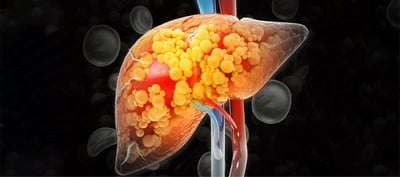
Medical understanding of human liver health has taken a massive leap forward following a landmark scientific discovery that challenges decades of standard hospital practice. Researchers have found that fatty liver disease is not just one uniform medical problem, but actually consists of five distinctly different conditions hiding under the very same name. For generations, doctors around the world treated excess fat buildup in the liver as a single health disorder with a single set of general advice. This groundbreaking new discovery proves that patients carry very different biological profiles, experience different rates of organ damage, and need completely tailored treatments rather than a one size fits all plan.
The human liver serves as a silent powerhouse inside the body, performing hundreds of vital tasks every single minute. It filters toxic substances out of the blood, converts food into usable energy, stores essential vitamins, and produces bile to help break down dietary fats. When extra fat droplets begin gathering inside liver cells, the organ struggles to perform its daily duties. Over time, that fat accumulation can cause swelling, tissue scarring, permanent organ damage, and even complete liver failure. Millions of individuals across the globe live with some form of this condition, often without feeling any pain or obvious symptoms in the early stages.
For a very long time, medical textbooks grouped nearly all patients with fat in their liver into two simple categories, depending primarily on whether they drank alcohol or not. People who drank very little or no alcohol were given a single blanket diagnosis known widely as non-alcoholic fatty liver disease. However, clinic doctors often noticed confusing differences between their patients. Some people with mild fat deposits developed severe liver scarring very quickly, while other patients carried significant fat for decades without ever suffering serious complications. Some patients were carrying extra body weight, while others were quite thin and active. Until now, doctors lacked the scientific tools to explain why identical diagnoses behaved in such wildly opposite ways.
By carefully examining detailed genetic material, blood proteins, and body metabolism patterns across thousands of patients, scientists successfully uncovered five unique subtypes of the disorder. Each of the five conditions has its own specific root trigger inside the human body. One subtype is driven mainly by high insulin resistance and blood sugar problems, where body cells fail to process energy properly. Another subtype is linked directly to genetic variations that cause liver cells to handle fats abnormally, even in people who maintain healthy body weight and eat balanced meals. A third subtype is tied closely to severe systemic body inflammation, where the natural immune defenses mistakenly irritate liver tissue.
The remaining subtypes identified by the research team involve differences in how the body handles cholesterol and blood fats, as well as distinct structural changes inside the liver cells themselves. Some of these subtypes carry a very high risk of turning into permanent scar tissue, a dangerous stage known as liver cirrhosis, while other subtypes progress much more slowly and mainly raise the chances of heart issues rather than liver failure. By identifying these five distinct categories, researchers have finally unraveled the mystery of why two patients with the exact same scan report can experience totally different long-term health outcomes.
This major discovery brings immediate hope for far more accurate medical treatments. In traditional clinics, almost every patient diagnosed with a fatty liver receives identical instructions to eat fewer calories, walk every day, and shed body weight. While healthy living is always beneficial, generic advice rarely cures patients whose condition is caused primarily by genetic factors or cellular inflammation rather than lifestyle habits alone. With five distinct conditions now mapped out, scientists can design specific medicines that directly target the exact biological malfunction occurring inside each individual patient.
The breakthrough is also expected to transform regular medical tests and diagnostic checkups. Currently, discovering fat in the liver usually requires expensive ultrasound imaging, specialized scans, or painful needle biopsies where doctors remove a small tissue sample from the organ. Medical teams are now working to develop simple blood tests based on these new findings. In the near future, an ordinary blood test could tell a family doctor not only whether a patient has fat in the liver, but also precisely which of the five subtypes is active, allowing treatment to begin before any permanent organ scarring takes place.
Health experts and liver specialists across international medical societies have praised the research as a turning point for modern preventative medicine. They note that modern lifestyle habits, such as consuming high amounts of refined sugar, drinking sweet sodas, eating ultra-processed foods, and sitting for long hours, have made liver fat accumulation a silent worldwide health problem. Having clear scientific insight into these five separate conditions gives doctors the exact knowledge required to protect millions of vulnerable people from sudden liver failure, kidney complications, and heart attacks.
For everyday individuals, this scientific milestone carries a comforting and empowering message. Patients who struggled with liver issues despite following strict diets can finally understand that their condition was never simply a lack of personal willpower, but may stem from a specific biological subtype that needs specialized clinical support. At the same time, it underlines the importance of routine physical checkups, since managing blood sugar, keeping blood pressure steady, and maintaining active muscles can protect liver cells across several of the newly identified subtypes.
Looking forward, clinical trials for next-generation liver medications are already beginning to adapt their research programs around these five conditions. Rather than testing new pharmaceutical drugs on mixed groups of patients where results can be confusing, researchers can now give targeted medicines directly to the specific patient groups most likely to benefit. This focused scientific approach promises to speed up drug approvals and deliver effective therapies to clinic shelves much faster than before.
The discovery that fatty liver disease represents five different conditions marks a welcome end to outdated medical assumptions. By pulling back the curtain on the complex inner workings of human liver biology, global scientists have provided healthcare providers with the knowledge needed to treat patients with personalized care, genuine accuracy, and lasting clinical success.