
Chief Election Commissioner Gyanesh Kumar Impeachment Drive Facing Hurdles from Police Says Congress and Opposition Alliance
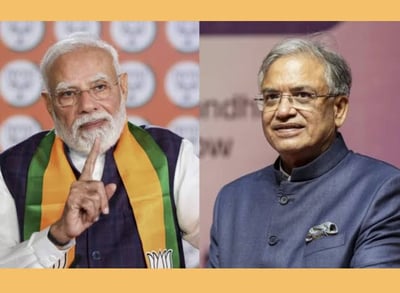
Political tensions have increased sharply in the national capital following a heated confrontation between opposition parties and police over a planned protest against election authorities. Leaders from the Indian National Congress and their partner parties in the opposition alliance have voiced strong frustration after facing unexpected obstacles while trying to organize a symbolic public trial. The demonstration was planned as an open event to question the leadership of Chief Election Commissioner Gyanesh Kumar. Opposition groups claim that democratic rights to assemble and protest peacefully are being restricted, while authorities maintain that specific regulatory guidelines must always be respected.
The controversy began when opposition alliance members decided to hold a high profile gathering to openly voice their concerns regarding how elections are being conducted. For weeks, alliance members have raised questions about voter lists, institutional fairness, and transparency during recent electoral processes. To bring these complaints directly before citizens, political representatives planned what they described as a public impeachment. The idea was to set up a mock courtroom where politicians, legal experts, and citizens could present arguments detailing their grievances against the head of the election body.
Trouble started when event workers tried to set up tents, stages, and sound systems at designated open grounds in the capital. According to senior party official K C Venugopal, workers were stopped by police personnel and prevented from building necessary infrastructure. Venugopal told reporters that although permissions had been secured for several days, officers intervened unexpectedly to halt physical work on the ground. He stated that the political leadership in the central government was using law enforcement agencies to protect top election officials from public scrutiny.
In response to the obstruction, Venugopal issued a stern warning to the administration. He declared that if peaceful gatherings are denied at traditional public grounds, the opposition will take its demonstration straight to high security zones. Venugopal stated that alliance members would not hesitate to march and sit outside the official residences of the Prime Minister and the Union Home Minister to make their voices heard. He insisted that no amount of administrative pressure would discourage the alliance from demanding total accountability from the country poll panel.
Police officials, however, offered a contrasting explanation regarding why the setup was halted. Senior police officers stated that organizers had not submitted a specific request detailing a mock trial or an impeachment assembly at the venue. Law enforcement representatives clarified that general no objection certificates for rallies do not automatically grant clearance for different types of unplanned political demonstrations. Police emphasized that high profile political events require strict security evaluations, crowd control arrangements, and explicit written clearances to prevent public inconvenience and ensure peace.
Because access to public grounds became uncertain, the opposition alliance swiftly moved to secure private spaces for the event. Organizers initially tried booking private hotel halls, but experienced cancellations and denials. Following discussions between senior alliance partners, the leadership announced that the public trial would shift to the private residence of Congress president Mallikarjun Kharge. Moving the event inside private quarters was described as a necessary move to guarantee that the program goes ahead without the threat of last minute administrative disruptions.
This political dispute comes at a time when the legal process for removing a top constitutional officer is being widely discussed. Under the law of the land, an election chief can only be removed from office through a strict parliamentary impeachment procedure, similar to that applied to a Supreme Court judge. Opposition parties have previously submitted notices in Parliament demanding official investigations, but these motions did not succeed in securing approval. Consequently, leaders decided to appeal to the public sphere through symbolic trials and mass marches to keep the issue alive.
The ruling party has strongly defended the election authority, dismissing the opposition protests as a political gimmick born out of frustration over past electoral losses. Government spokespersons maintain that the Election Commission operates with complete constitutional independence and that attempting to hold a mock trial on public streets undermines respect for public institutions. They argued that political parties should resolve their election disputes through lawful courts rather than creating disruption in the streets.
Despite administrative friction and strong pushback from the government, opposition leaders maintain that they will continue expanding their campaign. They have announced plans to hold regional gatherings and marches across multiple states to spread their message to grassroots voters. The ongoing battle over protest permissions underscores how the election commission has turned into a major political flashpoint, with both sides refusing to back down from their stances.