
Cyclone Arnab Landfall Near Andhra Coast Triggers Maximum Alert As Schools Shut Down And Dozens Of Trains Cancelled
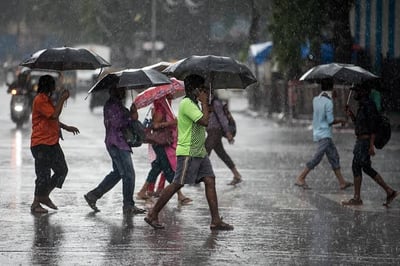
A powerful weather system advancing across the Bay of Bengal has placed millions of residents along the eastern coast of India on maximum emergency readiness. The India Meteorological Department officially classified the system as a very severe cyclonic storm named Arnab, warning that strong gales, violent tidal surges, and relentless downpours will hit several coastal districts. With meteorologists tracking the storm along a path heading directly toward coastal Andhra Pradesh, local authorities, national disaster response forces, and railway administrations have launched emergency safety plans to protect human lives and prevent damage to critical public infrastructure.
According to the latest meteorological bulletins, the storm is moving across the west-central Bay of Bengal at steady speed and is expected to cross the coast between Bapatla and Visakhapatnam, making landfall close to Yanam. Weather experts predict wind speeds during the crossing to reach between 115 and 125 kilometers per hour, with violent gusts hitting up to 140 kilometers per hour. Heavy rain bands are already lashing shoreline villages, triggering localized waterlogging and rising sea levels that threaten to flood low-lying residential belts and farmland situated near river mouths and coastal canals.
To ensure the safety of children and young learners, district administrations in vulnerable coastal zones ordered an immediate shutdown of all public and private educational institutions. Primary schools, high schools, polytechnic colleges, and universities will remain closed across multiple districts until the cyclonic system weakens and passes inland. Officials have converted several sturdy school buildings and community centers into temporary relief shelters, stocking them with drinking water, dry food provisions, backup power generators, and essential medical supplies to host families evacuated from vulnerable thatched huts and low-lying coastal areas.
Transport networks across eastern India have also faced massive disruptions as authorities work to avert potential travel disasters. South Coast Railway announced the cancellation of fifty-three passenger and express trains operating along routes including Visakhapatnam, Vijayawada, Machilipatnam, and Rajahmundry. Railway officials advised passengers to double-check their travel schedules online and avoid traveling toward coastal stations unless strictly necessary. Maintenance crews have been stationed along tracks to clear fallen trees, repair electric overhead lines, and address railway line flooding as soon as the storm passes.
Emergency management agencies have deployed dozens of National Disaster Response Force and State Disaster Response Force teams equipped with rubber rescue boats, tree-cutting machinery, and satellite communication equipment across coastal districts. Fishermen were strictly instructed to return to harbor, with coast guard patrol vessels warning all fishing boats to stay away from the open sea due to extreme marine turbulence. District collectors have set up round-the-clock control rooms to coordinate rescue operations, monitor dam water discharge, and ensure municipal teams keep heavy water-pumping equipment ready in waterlogged urban pockets.
State authorities have urged everyday citizens to exercise caution and stay inside permanent concrete buildings while the cyclonic core passes overhead. Residents living in vulnerable shoreline villages are being steadily guided toward designated rehabilitation centers to prevent storm-surge casualties. As disaster management teams maintain a constant vigil, government leaders emphasized that public cooperation, following verified official weather updates, and avoiding panic remain vital to ensuring zero casualties as the severe storm completes landfall.