
Government Approves E100 Pure Ethanol Fuel For Flex Fuel Vehicles As Authorities Clarify Existing Petrol Cars Cannot Use It
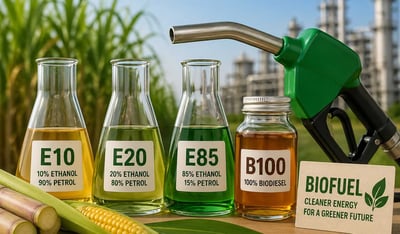
India has taken another big step toward clean energy and reducing crude oil imports by formally approving E100 fuel for flexible fuel vehicles across the country. The Ministry of Road Transport and Highways updated the Central Motor Vehicles Rules to officially include pure ethanol and high-blend ethanol fuels in national vehicle testing and emission standards. This important decision gives automobile manufacturers the legal foundation they need to introduce passenger cars and commercial vehicles capable of running entirely on ethanol. While the decision opens a new door for eco-friendly transport, it has also created confusion among ordinary drivers wondering if their current petrol cars can use this new green fuel.
Government officials and automotive engineers have answered that question with a direct and clear clarification: existing petrol vehicles cannot run on E100 fuel. The ministry made it clear that high-ethanol mixtures like E85 and pure E100 are permitted only for vehicles that are specifically manufactured, calibrated, and certified by carmakers to use them. Standard petrol cars running on Indian roads today are built to handle conventional petrol or lower blends like E20, which contains twenty percent ethanol and eighty percent petrol. Drivers of existing vehicles will not be allowed to pump E100 into their tanks, nor will they be asked or forced to alter their daily refueling practices.
The technical reason behind this restriction comes down to how vehicle engines and fuel systems are built. Pure ethanol has very different chemical properties compared to traditional fossil fuels. It requires specialized rubber seals, corrosion-resistant fuel pipes, dedicated fuel injectors, and customized electronic control units to run properly. In standard petrol engines, pouring high concentrations of ethanol can cause severe damage to engine valves, degrade rubber fuel lines, and cause trouble when starting the vehicle in cold morning weather. For that reason, operating an ordinary petrol engine on pure ethanol can void the manufacturer warranty and cause permanent mechanical breakdown.
The new regulatory framework is meant to encourage car manufacturers to bring genuine flex fuel passenger vehicles to Indian showrooms. Automotive brands such as Maruti Suzuki, Toyota, Tata Motors, and Hyundai have been actively developing flex fuel engines that can smoothly handle any mixture from twenty percent ethanol up to one hundred percent pure ethanol without missing a beat. With the legal norms now established, carmakers can complete official testing and launch certified flex-fuel variants in the consumer market, giving car buyers an eco-friendly alternative to standard petrol models.
Expanding the use of ethanol fuels is a primary pillar of India national energy security program. The country spends massive amounts of foreign exchange every year to import crude petroleum from global suppliers, which places a heavy burden on the national economy. By producing ethanol domestically from agricultural crops like sugarcane juice, broken food grains, and maize, the government aims to keep energy expenditures inside the country while directly supporting local farmers with stable income. India has already met its E20 blending goals ahead of schedule, and the move to E100 marks the next phase in transitioning toward cleaner, self-reliant energy.
In addition to protecting the economy, pure ethanol provides real environmental benefits for crowded urban centers. Burning ethanol in certified engines produces significantly lower amounts of carbon monoxide, unburned hydrocarbons, and greenhouse gases compared to standard fossil fuels. Lowering vehicle tailpipe emissions will play an essential role in improving air quality in major cities and helping the nation meet its long-term goals for cleaner air and lower industrial pollution.
State-owned oil marketing companies are already preparing dedicated dispensing pumps for E100 across major metropolitan areas, beginning with test networks in Delhi, Mumbai, Pune, and Ahmedabad before expanding nationwide. For the everyday car owner, nothing changes at the neighborhood petrol station. Existing petrol and diesel vehicles will continue to purchase their standard fuel blends normally, while motorists interested in pure green mobility will soon have the choice to buy dedicated flex-fuel vehicles straight from the dealership showroom.