
If Netanyahu Loses What Will Be Impacted On USA And India Relations And Will Israelis Give Netanyahu Another Chance
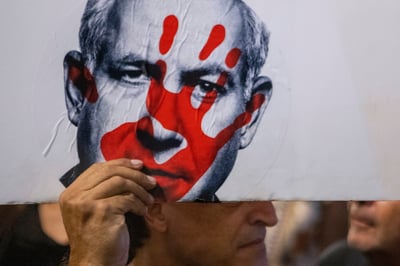
A defining national vote has placed the long political career of Prime Minister Benjamin Netanyahu before Israeli voters. Citizens across the country are casting their ballots during an atmosphere of profound public anxiety and deep political division. The central dilemma facing the public is whether to hand Netanyahu another opportunity to lead the nation or replace him with an alternative administration. At the same time, diplomats in Washington and New Delhi are tracking the developments step by step to evaluate whether an electoral loss would affect defense contracts, international trade initiatives, and long-standing diplomatic alliances.
The domestic mood heading into the election shows a deeply divided society. Longtime loyalists continue to view the prime minister as an experienced leader who knows how to confront regional threats. In contrast, large segments of the population express exhaustion after extended warfare and diplomatic friction. Families of captives, working citizens, and military reservists have held continuous demonstrations to demand accountability from top government leaders. With opinion surveys pointing toward a tight race and a potentially fragmented parliament, the question of whether ordinary voters are willing to give the prime minister another chance remains closely contested across every district.
If a defeat occurs, the impact on Israel's relationship with the United States will be watched around the world. The United States remains Israel's most essential military supplier and diplomatic partner. However, interactions between the current Israeli administration and American officials have frequently experienced significant strain. Disagreements over military planning, the conduct of regional warfare, and post-war reconstruction have created friction in Washington. An electoral transition could reduce personal friction between heads of state, opening the door for smoother bilateral coordination and clearer joint strategies.
Defense analysts observe that security cooperation with Washington will stay firmly intact regardless of the ballot outcome. Opposition figures, such as former military chief Gadi Eisenkot, have presented themselves as responsible leaders who would maintain strict coordination with American security agencies. While a new prime minister might alter the tactical timing of regional strikes, the core alliance on intelligence sharing, missile defense development, and mutual security pacts remains an enduring fixture of American foreign policy.
For India, an electoral defeat for Netanyahu is unlikely to damage core bilateral ties. While the close personal rapport between Prime Minister Narendra Modi and Benjamin Netanyahu gave visible energy to high-level summits, the partnership has grown well beyond personal diplomacy. Formal bilateral ties date back across multiple decades, and Indian governments across party lines have consistently expanded technological, agricultural, and security agreements with various Israeli administrations. Diplomatic representatives from both sides have reaffirmed that mutual friendship will remain steady irrespective of which party takes office.
Military purchases and defense production are the strongest anchor holding New Delhi and Tel Aviv together. India relies on Israeli radar networks, precision-guided weaponry, and unmanned aircraft, while Israeli defense contractors actively invest in Indian domestic manufacturing centers. Because both countries face complex security environments and prioritize modern border defense, the defense sector operates through institutional channels that run independently of political leadership changes. Israeli opposition groups share this commitment, ensuring that defense supplies and joint technology ventures will continue without interruption.
Beyond defense, cooperative projects in water conservation and farming touch everyday communities across India. Israeli agricultural experts work in state centers across India, training local farmers in efficient irrigation and crop management. In the commercial arena, major technology firms and private industrial groups manage key investments, including operations at Israeli commercial ports and digital software laboratories. These economic arrangements deliver direct commercial gains to both countries, keeping civilian and economic cooperation moving forward.
Strategic regional connectivity remains another shared objective for Washington, New Delhi, and Jerusalem. Economic corridors designed to connect Indian shipping routes through the Middle East into Europe depend entirely on local stability and safe transit corridors. Continued fighting across regional shipping lanes has created major challenges for international commerce. Policymakers believe that any new government that manages to establish regional security and ease tensions could accelerate the realization of these major commercial corridors.
Rival candidates running for office have emphasized the need to repair international goodwill while maintaining the nation's core defense posture. Challengers from centrist and conservative parties argue that they can handle foreign policy with greater diplomatic balance. Importantly, every major opposition contender acknowledges India as an essential Asian ally and regards the United States as an indispensable partner.
The ultimate decision now rests in the hands of the voting public as they determine whether to extend Netanyahu's tenure or choose alternative leadership. While the election outcome will directly influence Israel's domestic path and diplomatic tone, the foundational relationships with the United States and India are anchored in deep strategic, defense, and economic realities that will endure regardless of who emerges victorious.