
Cyclone Murasu batters Andhra Pradesh coast as heavy rain floods crops and halts transport
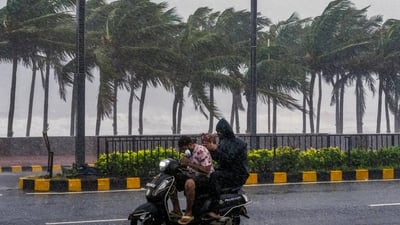
Violent winds, towering ocean waves, and torrential rain pounded southern coastal Andhra Pradesh through the night as severe cyclonic storm Murasu crossed the shoreline. The storm system brought normal life to a total standstill across several coastal districts, tearing roofs off temporary shelters, uprooting thousands of large trees, and flattening high voltage electricity lines. Entire neighborhoods woke up without electrical power or drinking water supplies, while coastal roads turned into rushing rivers that cut off interior villages from main district headquarters.
The eye of the cyclonic system pushed inland near the coastal belt close to Ongole and Bapatla in the early morning hours. Gusts of wind reached up to one hundred and twenty kilometers per hour, snapping sturdy coconut palms and bending heavy iron light posts along the shore like toys. Weather observation stations registered extreme levels of continuous downpours, with Bapatla recording the highest district-average rainfall along with over two hundred millimeters of concentrated rain in isolated pockets. Nearby districts including Prakasam, Krishna, and West Godavari were similarly battered by nonstop downpours that inundated low lying localities and urban residential colonies.
Farmers across the fertile delta belt are facing ruinous financial losses as vast agricultural tracts disappeared under muddy water. Standing paddy crops, which were ready for harvest within days, were completely submerged and flattened into the muck by heavy gales. Horticulture farmers growing bananas, betel leaves, chilies, and cotton reported extensive damage across hundreds of hectares. Agriculture officers noted that waterlogged fields will lead to rotting of unpicked grain, leaving rural families with heavy debts after months of hard labor and high investment.
Along the sandy beach colonies, fishing communities bore the direct brunt of the ferocious tidal surge. The sea rose more than one meter above normal levels, pushing roaring waves straight into fishing settlements and washing away nets, motor engines, and coastal huts. Despite earlier warnings by port officials to secure equipment, dozens of wooden catamarans and motorized fiberglass boats anchored near the sand were smashed against sea walls or dragged out into open waters. Local fishermen returning from government relief shelters described the cyclone as one of the most destructive storms they had witnessed in more than a decade, mourning the loss of their primary tools of survival.
Regional transport and commuter networks suffered widespread collapse under the impact of the storm. Falling trees and tangled electrical cables blocked major national and state highways, stranding long distance trucks, buses, and private vehicles for hours in blinding rain. Motorists could barely see a few meters ahead due to driving rain and heavy winds. Train operations running along the main coastal railway lines connecting Vijayawada, Ongole, and Gudur were badly delayed or halted after overhead power cables snapped and rainwater submerged railway tracks. Commercial airports in the region cancelled incoming and outgoing flights because of dangerous crosswinds and poor runway visibility.
Anticipating the severe danger ahead of the landfall, state disaster management authorities carried out extensive rescue and evacuation drives. Teams from the National Disaster Response Force and State Disaster Response Force worked alongside local police to shift thousands of vulnerable families living in thatched huts and low coastal hamlets into permanent cyclone relief shelters. Community kitchens were set up inside schools and government buildings to supply cooked meals, dry snacks, and bottled water to displaced residents who fled the rising tide.
Municipal and electricity department work crews mobilized with petrol-driven chain saws and replacement utility poles to clear arterial roads as soon as wind speeds began to fall. Special utility squads are working without pause to pull heavy branches off transmission wires and restore hospital power lines on priority. Revenue officials have set up field survey desks in every storm-hit taluka to register damaged homes, evaluate broken infrastructure, and arrange quick food rations for daily wage workers whose homes remain flooded.
Health authorities have sounded an alert over waterborne diseases in submerged rural settlements. Stagnant floodwater mixed with broken sewage lines poses a serious danger of diarrhea, viral fevers, and skin infections in the days following the cyclone. Mobile medical teams carrying chlorine tablets, basic antibiotics, and fever medications are fanning out across relief camps to ensure displaced children and elderly citizens receive immediate care.
Meteorological officials indicated that the cyclonic storm has begun to lose intensity as it tracks further inland over south coastal Andhra Pradesh. The storm system is expected to weaken into a deep depression by midnight, though outer rain bands will continue to dump heavy showers over neighboring interior districts through the remainder of the day. For the thousands of families whose farms and homes lie battered along the coast, the difficult journey of rebuilding their lives from the mud and wreckage is only just beginning.