
Why People Are Opposing Mega Dams In Arunachal Pradesh: Violence In Upper Subansiri And Siang Valley Over Displacement, Land Rights, And Environmental Destruction
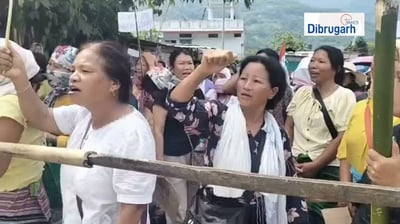
Violent demonstrations and total bandh shutdowns have paralyzed parts of Arunachal Pradesh as indigenous citizens, youth forums, and local farmers push back against the construction of massive hydroelectric projects across the state. Fresh unrest erupted across Upper Subansiri district during a twelve-hour total shutdown called to resist the proposed 1,605-megawatt Subansiri Upper Hydroelectric Project, which is being pursued by the state-run National Hydroelectric Power Corporation. The agitation follows intense clashes and property destruction in the Siang Valley over the massive 11,200-megawatt Siang Upper Multipurpose Project, highlighting growing grassroots defiance against the central government push for mega-hydropower infrastructure along the northeastern border.
At the center of public opposition is the deep fear of permanent displacement and the loss of ancestral land. Indigenous communities, including the Tagin people in Upper Subansiri and the Adi community in the Siang basin, have lived along these river corridors for generations, relying on surrounding forests, fertile valley plains, and river channels for their survival and identity. Building colossal storage reservoirs requires submerging entire villages, agricultural farms, sacred cultural sites, and community forests. Protesters argue that financial compensation and rehabilitation promises cannot make up for the permanent loss of ancestral territory, warning that uprooting thousands of indigenous families will destroy traditional customs and dilute tribal cultural heritage.
Severe environmental hazards and ecological disruption form another cornerstone of the local resistance. The Eastern Himalayas are classified among the most ecologically sensitive and seismically active zones in the world, regularly prone to earthquakes, cloudbursts, and heavy landslides. Environmental researchers and community leaders warn that constructing massive concrete dams in narrow mountain gorges could trigger structural failures, catastrophic flash floods, and massive soil erosion downstream. Local populations point out that altering natural river flow threatens rich aquatic biodiversity, cuts off clean water sources, and creates ongoing anxiety for downstream settlements in Assam and lower valley regions.
The protests have also been intensified by widespread anger over a perceived lack of meaningful public consultation. Activists and local forums allege that survey work, pre-feasibility assessments, and project approvals have been pushed forward aggressively without obtaining the free, prior, and informed consent of affected village councils. Tensions reached a flashpoint in Upper Subansiri when local student leaders faced police actions, leading to blockades, stone-pelting, and arson against official buildings and vehicles. In response to the unrest, authorities were forced to cancel scheduled public hearings, while rapid-action security units were deployed to enforce prohibitory travel orders in vulnerable towns.
From the government perspective, these large-scale river projects are promoted as essential investments for national energy security, green transition, and strategic border defense. Central planners argue that generating tens of thousands of megawatts of clean energy will power regional industrial growth, provide revenue royalties to the state government, and create local employment. Furthermore, officials view the 11,200-megawatt Siang project as a crucial water-storage defense to regulate river flows and counterbalance massive hydropower projects being constructed upstream across the border in Tibet.
Despite the government strategic arguments, local communities refuse to accept national interest narratives that require sacrificing their homes and landscapes. Indigenous forums maintain that sustainable, small-scale power generation and community-focused infrastructure should replace destructive mega-dams that treat river valleys as resource extraction zones. As security personnel patrol quiet district headquarters and community groups vow to continue their resistance, the standoff underscores the delicate challenge of reconciling national infrastructure ambitions with the rights, heritage, and consent of indigenous peoples.