
Hyderabad To Cut Groundwater Use With Treated Water From November 1 Due To No Rain And Severe Water Crisis
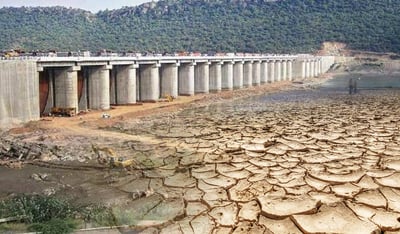
A prolonged dry weather phase and the absence of rainfall across Hyderabad have pushed civic authorities into taking aggressive water management measures. The Hyderabad Metropolitan Water Supply and Sewerage Board has finalized an urgent operational plan to protect falling groundwater reserves and stop the misuse of clean drinking water. Under this fresh initiative, the city administration will officially roll out green water tanker services starting on November 1. The dedicated fleet will supply treated sewage water exclusively for commercial and non-potable needs, ensuring that drinking water is conserved strictly for household taps.
The urban water intervention follows explicit directions issued by Telangana Chief Minister A. Revanth Reddy. With weather experts warning that dry conditions fueled by El Nino could trigger an extended water emergency over the coming months, civic departments are cutting off the use of potable water for industrial and construction operations. Thousands of borewells across the city are already running dry because underground aquifers have received little to no natural replenishment. By requiring non-residential consumers to rely on treated water, the board hopes to slow down deep underground drilling and save city lakes from total depletion.
Water board Managing Director K. Ashok Reddy reviewed the operational rollout during a high-level review meeting and inspected the newly prepared green filling station at Kokapet. Senior engineers and division heads were directed to complete all civil and technical installations ahead of the November 1 deadline. The administration is identifying suitable government and private sewage treatment plants across suburban zones, setting up high-capacity pumping machinery, raised filling platforms, and automated flow meters to handle high daily vehicle traffic.
To ensure that the treated water is strictly kept separate from normal drinking water supplies, the board has ordered a clear visual identity for the entire transport fleet. All registered green tankers will display bold exterior signage stating in capital letters that the contents are treated wastewater not meant for domestic drinking purposes. This visible labeling is designed to prevent rogue private operators from misrepresenting recycled sewage as drinking water to unsuspecting residential colonies.
Every vehicle inducted into the green fleet will be fitted with mandatory GPS tracking units to monitor routes and delivery timings in real time. In addition, electronic point-of-sale machines are being installed across all plant filling bays. The digital logging network will track exact water volumes, verify booking receipts, and record customer details digitally, eliminating cash leakages and ensuring that commercial buyers receive their confirmed quotas on schedule.
The board has structured the operational rollout to cater to two categories of commercial users. Private companies and builders who own heavy water trucks will be permitted to register their vehicles and purchase treated water directly at authorized filling bays under official safety guidelines. For builders, institutions, and factories that do not maintain private tanker trucks, the water board will deliver the required volumes through its own contracted fleet using an integrated mobile application and online booking platform.
Construction sites across expanding financial and residential belts such as Gachibowli, Kokapet, and Madhapur have traditionally drawn millions of liters of groundwater daily through heavy bore pumps. Under the new operational guidelines, the municipal body is coordinating with the Confederation of Real Estate Developers Associations of India, industrial bodies, and public agencies to ensure that commercial construction projects switch entirely to treated sewage water. Public gardens, road medians, golf clubs, and industrial manufacturing plants will also be linked to the green tanker network.
Water quality testing teams will conduct laboratory checks on wastewater before clearing it for filling stations. While the treated output from modern treatment facilities is safe for industrial machinery, cooling units, soil compaction, and horticulture, officials have emphasized that it remains strictly unfit for drinking, cooking, or personal hygiene.
The success of the treated water system will play a crucial role in safeguarding the twin cities against acute summer shortages. With the monsoon completely retreating and no immediate showers on the horizon, reducing citywide strain on primary reservoirs like Osmansagar, Himayatsagar, and distant Krishna and Godavari pipelines is vital. The water board has warned that teams will monitor heavy groundwater extraction across commercial belts, and developers caught pumping drinking-grade bore water for construction work will face penalties and disconnection.