
Dharmendra Pradhan Daughter Deactivates Instagram Account Following Foreign Degree Backlash
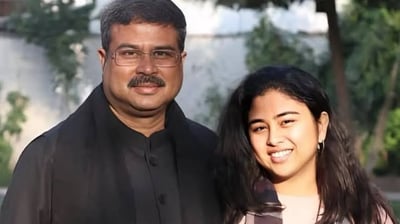
In a developing digital story on July 22 2026, Naimisha Pradhan, daughter of Union Education Minister Dharmendra Pradhan, deactivated her personal Instagram account following widespread criticism on social media platforms. The online scrutiny intensified as nationwide student demonstrations led by the Cockroach Janta Party CJP gained momentum across major Indian cities, demanding structural reforms in national competitive examinations and the resignation of the education minister. As public anger over examination paper leaks spilled onto digital spaces, internet users located her public profile and left numerous comments highlighting her overseas education. The barrage of online responses eventually led to her deleting her presence from the social media application to avoid further targetted messages.
The primary driver behind the online campaign was her educational background in the United States, where she earned a Master of Laws LLM degree from The Fletcher School at Tufts University in Massachusetts in 2023. Critics began commenting directly on her personal posts as well as official social media pages belonging to Tufts University, raising slogans demanding the resignation of Dharmendra Pradhan. Some online commentators argued that pursuing an advanced degree from an international university while her father oversees the Indian national education framework reflected a lack of faith in local public institutions. Following her graduation in 2023, she had taken up a professional role as a Senior Associate at the US India Strategic Partnership Forum USISPF, a details that further fueled discussions among young students frustrated by recent delays and irregularities in competitive entrance tests across India.
This digital incident highlights a growing public focus on the educational choices of political leadership figures and their families. Data indicates that 15 out of 30 cabinet ministers have children who either studied abroad or are currently enrolled in international higher education institutions. For millions of students appearing for national examinations like NEET, access to higher education represents a crucial career pathway fraught with high competition and systemic challenges. When allegations of paper leaks and administrative mismanagement arise, the stark contrast between standard domestic testing environments and elite foreign degree pathways becomes a focal point for public frustration. Observers note that while studying abroad is a personal choice available to individuals with financial resources, the symbolic impact on public perception remains strong during times of widespread student agitation.
At the same time, the online campaign against a private citizen has reignited a complex debate regarding digital conduct and the boundaries of political accountability. Numerous social media users, legal experts, and digital rights advocates stepped forward to defend Naimisha Pradhan, emphasizing that she does not hold any public office or policy making position in the government. Defenders argued that political criticism should remain strictly focused on elected representatives and official policymakers rather than extending to family members who operate independently in private careers. They pointed out that targetted online hostility directed at relatives risks degrading healthy democratic debate into personal harassment, setting a problematic standard for digital discourse in the country.
Addressing the broader context of ongoing student demonstrations and political demands, Union Education Minister Dharmendra Pradhan responded publicly by criticizing opposition political parties for manipulating student concerns for political gains during the parliamentary session. He stated that the central government remains 100 percent committed to discussing examination integrity, preventing paper leaks, and implementing comprehensive educational reforms through proper legislative processes. While political discussions continue inside assembly halls, the deactivation of social media accounts by family members of public leaders demonstrates how digital activism can rapidly blur the lines between personal privacy, online criticism, and national political debates.