
Centre Moves To Criminalise Vande Mataram Disrespect With Prevention Of Insults To National Honour Amendment Bill On July 20 2026
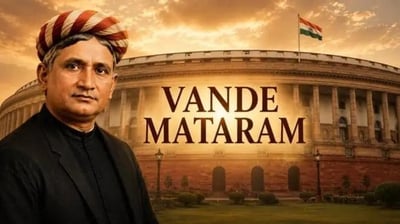
In a significant legislative movement on the opening day of the Monsoon Session of Parliament, Union Home Minister Amit Shah introduced the Prevention of Insults to National Honour Amendment Bill 2026 in the Rajya Sabha on July 20 2026. The proposed law aims to give the national song Vande Mataram equal legal protection as the national anthem Jana Gana Mana, the Indian Constitution, and the National Flag. Under the draft legislation, any intentional effort to prevent the singing of Vande Mataram or cause disruption to an assembly engaged in its recitation will become a punishable offence, carrying a potential prison term of up to 3 years, a fine, or both. This legislative push coincides with ongoing government observances marking the 150th anniversary of the historic composition written by Bankim Chandra Chattopadhyay in 1875.
This parliamentary action comes approximately 3 months after important judicial observations were made by a Supreme Court bench headed by Chief Justice Surya Kant regarding earlier executive advisories issued by the Ministry of Home Affairs. In those directives, state governments were instructed to play all 6 stanzas of Vande Mataram at official events and ensure that audiences stand at attention. However, when the matter was reviewed in court, the bench observed that executive advisories were directory in nature and carried no statutory penal consequences for non compliance. The Supreme Court highlighted that while Article 51A of the Constitution lays down fundamental duties to respect national symbols, creating criminal penalties for non compliance requires formal statutory amendments passed by Parliament rather than executive circulars.
By amending Section 3 of the Prevention of Insults to National Honour Act 1971, the central government seeks to bridge this exact legal distinction between executive guidelines and statutory enforcement. The statement of objects accompanying the bill notes that while Constituent Assembly President Dr Rajendra Prasad declared on January 24 1950 that Vande Mataram should be honored equally with the national anthem, the original 1971 law omitted the national song from its penal provisions. The new amendment formally inserts the national song into the text of the law, establishing statutory parity between Jana Gana Mana and Vande Mataram. Proponents of the bill argue that formal penal protection is necessary to preserve national dignity, prevent deliberate public disrespect, and honor the monumental role played by the song during India freedom struggle.
The introduction of the bill triggered intense political debate and opposition within Parliament on July 20 2026. Opposition lawmakers, including Rajya Sabha member John Brittas, submitted formal communications to the Ministry of Home Affairs requesting the immediate withdrawal of the bill, arguing that enforcing patriotism through criminal sanctions risks altering delicate constitutional balances. Opponents expressed concern that penalizing conduct related to the song departs from established constitutional precedents, such as the landmark 1986 Bijoe Emmanuel ruling which protected the freedom of expression and religious conscience under Articles 19 and 25. As parliamentary debates unfold, the proposal brings long standing historical debates regarding national symbols, voluntary patriotism, and legislative authority back into sharp public focus.
Analyzing this legislative reform reveals a long standing tension between voluntary civic reverence and state enforced legal compliance. The transition from non penal executive advisories to explicit statutory penalties shows a clear decision by policymakers to use legislative authority to formalize cultural respect. While supporters view statutory parity as a necessary correction of historical legislative omissions, critics argue that true national devotion thrives on voluntary public acceptance rather than penal compulsion. As the bill progresses through parliamentary scrutiny, balancing statutory protections for national symbols with constitutional freedoms will remain a key challenge for lawmakers.