
Kakoli Ghosh Dastidar Leads 20 Rebel Trinamool MPs Into NDA Alliance On July 19 2026
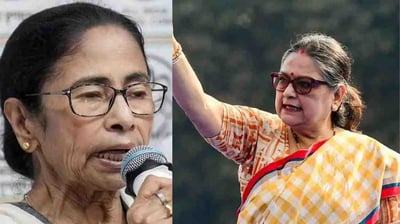
In a major political shift ahead of the parliamentary Monsoon Session, former Trinamool Congress loyalist Kakoli Ghosh Dastidar formally announced on July 19 2026 that a breakaway faction of 20 Lok Sabha members will join the ruling National Democratic Alliance. Speaking to reporters in New Delhi following an all-party consultation, the veteran parliamentarian declared that her group, currently functioning under the Nationalist Citizens Party of India banner, intends to work directly with Prime Minister Narendra Modi and Union Home Minister Amit Shah toward nation building initiatives. Highlighting that 8 female lawmakers are part of this 20 member collective, Kakoli emphasized that the group will actively support government legislative measures in the Lower House rather than disrupting parliamentary proceedings. This public announcement signals a dramatic realignment in West Bengal politics following the severe electoral defeat suffered by the Mamata Banerjee led party during the recent state assembly elections in May 2026.
The roots of this massive political movement trace back to growing internal friction within the Trinamool Congress after losing state power after 15 consecutive years. Citing dissatisfaction with centralized decision making, financial corruption scandals, and the handling of social issues, more than two thirds of the party elected Lok Sabha representatives distanced themselves from the top leadership. By June 2026, Kakoli Ghosh Dastidar and senior leader Sudip Bandyopadhyay led the breakaway group of 20 MPs to form a distinct parliamentary bloc under the NCPI banner to navigate legal requirements under anti-defection laws. Recognizing the growing numerical strength of the rebel collective, Union Parliamentary Affairs Minister Kiren Rijiju officially invited Kakoli as chief whip and Sudip as group leader to attend the customary all-party meeting on July 19 2026, while Lok Sabha Speaker Om Birla approved separate seating arrangements inside the chamber.
Addressing the media regarding their legislative strategy, Kakoli outlined a constructive roadmap for the upcoming parliamentary session running from July 20 to August 13 2026. She stated that while lawmakers must engage in rigorous debates on upcoming policy measures, including tax frameworks and birth registration systems, causing deliberate House adjournments results in a massive waste of public funds and national resources. Members of the NCPI parliamentary group confirmed that they will maintain a disciplined presence on the floor, voting in favor of government bills while offering targeted feedback. This coordinated entry provides the ruling NDA coalition with substantial numerical reinforcement in the Lower House, further isolating the parent Trinamool Congress leadership on the national stage.
Looking at this development from a broader perspective, the formal entry of 20 rebel parliamentarians into the ruling alliance reflects the intense volatility currently affecting regional political parties across India. When major electoral setbacks occur at the state level, internal party discipline frequently breaks down under the weight of competing personal ambitions and ideological differences. By securing separate seating and formal parliamentary recognition before merging their legislative strength with the NDA, the NCPI faction successfully transformed a potential disqualification risk into strategic political leverage. Moving forward, the true test for this rebel group will be balancing their local regional promises with the overarching legislative agenda of the central government during high stakes debates in Parliament.