
Donald Trump Calls On Republicans To Add Iran To Russia Sanctions Bill On July 19 2026
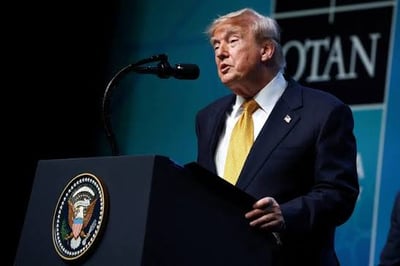
Geopolitical tensions escalated in Washington on July 19 2026 as United States President Donald Trump publicly called on Republican lawmakers to broaden the scope of a major pending Russia sanctions bill. Speaking to reporters ahead of key legislative sessions, Trump urged members of Congress to include sweeping economic measures targeting Iran and its regional proxy group Hezbollah within the draft legislation. The proposal aims to merge separate foreign policy pressures into a single, comprehensive economic enforcement package. The statement comes as Washington intensifies economic pressure on both Moscow over the ongoing conflict in Ukraine and Tehran over recent military confrontations and maritime disruptions in the Persian Gulf and the Strait of Hormuz.
The legislative movement surrounding the sanctions package carries significant personal and political weight in Washington following the recent death of veteran Republican Senator Lindsey Graham. Graham had been the primary architect of the bipartisan legislation, which originally sought to impose heavy secondary sanctions and tariffs on foreign entities and third party nations continuing energy trade with Russia. Reminds lawmakers of Graham long-standing commitment to national security, President Trump noted that expanding the bill to include Iran would serve as a fitting tribute to the late senator efforts. Congressional leaders confirmed that drafting committees are actively reviewing amendment proposals to incorporate explicit sanctions against Iranian state institutions, military networks, and regional political arms before bringing the bill to a floor vote.
The decision to merge Iranian economic restrictions into the Russian sanctions framework reflects a broader shift toward multi theater economic warfare by the United States administration. While the original bill focused primarily on restricting Russian crude oil and natural gas exports, adding Iran targets Tehran economic supply chains during a period of acute regional instability. In his remarks, President Trump noted that while secondary sanctions against major Asian trade partners are still being evaluated within broader policy discussions, targeting Iranian state assets and Hezbollah funding pipelines enjoys strong bipartisan backing across Capitol Hill. Lawmakers point out that Tehran deepened military and commercial ties with Moscow over recent years, making a unified legislative approach both strategically necessary and economically impactful.
Looking critically at this legislative strategy reveals how domestic political dynamics and multi-front foreign policy goals intersect in Washington. Combining sanctions against Russia, Iran, and Hezbollah into a single statutory framework allows the White House to leverage existing broad bipartisan consensus to pass complex economic measures quickly. However, expanding the bill scope also introduces significant diplomatic complexities regarding enforcement, particularly concerning international trade networks and foreign energy markets. As the draft legislation moves through final committee reviews in Congress, the success of these expanded sanctions will ultimately depend on whether international allies and global markets comply with Washington enforcement directives without triggering wider global trade disruptions.