
Seven Killed And Over 50 Wounded In Major Ukrainian Drone Strikes Across Russian Regions On July 18 2026
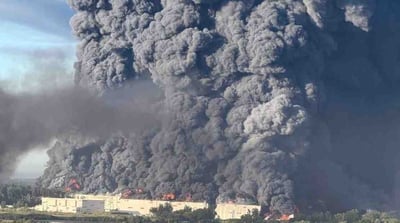
In a significant escalation of long-range aerial warfare, Russian officials reported that a massive wave of Ukrainian drone strikes caused at least 7 deaths and injured more than 50 people across multiple regions on July 18 2026. The strikes targeted critical logistics and industrial hubs, including two large warehouses belonging to Wildberries, Russia largest online retailer. The most severe casualties occurred in Kotovsk in the Tambov region, roughly 360 kilometers from the Ukrainian border, where a drone hit a warehouse and killed 7 night-shift workers instantly. Another 25 individuals were wounded at the same location. Simultaneously, a secondary attack targeted another Wildberries facility in Elektrostal, east of Moscow, leaving 24 people injured. These deep strikes inside Russian territory highlighted a shift toward targeting economic and supply-chain infrastructure linked to the broader war effort.
The scale of the operation was extensive, with the Russian Defence Ministry reporting that its air defenses intercepted 379 Ukrainian drones across 19 different Russian regions, as well as over Crimea, the Sea of Azov, and the Black Sea. Beyond the warehouse attacks, falling drone debris sparked a dangerous fire at an oil depot in Noginsk, located north of Elektrostal, where 2 additional people were reported wounded. As a precautionary safety measure, authorities were forced to evacuate a nearby maternity hospital and several residential buildings to prevent further civilian harm. In a separate incident in Vladimir, about 180 kilometers east of Moscow, another drone strike hit a residential building, causing a fire but resulting in no further reported casualties.
Ukrainian President Volodymyr Zelenskyy confirmed that Kyiv had targeted two significant logistical facilities in the Moscow and Tambov regions. He stated on Telegram that these sites were being utilized by the aggressor to supply sanctioned components for the production of drones and navigation equipment, characterizing them as legitimate military targets. He further noted that Ukrainian special operations forces conducted additional successful strikes against industrial and fuel-sector targets. For the Russian industrial sector, these repeated strikes on warehouses and oil infrastructure have compounded domestic fuel supply tensions, causing localized price hikes and sales restrictions that continue to strain the internal logistics network.
Looking critically at the impact of these events, the strike campaign reflects an intensification of Ukraine strategy to disrupt Russian military supplies by hitting facilities hundreds of kilometers deep within the interior. While Moscow officials framed the strikes as attacks on civilian infrastructure and retail hubs, the Ukrainian leadership maintains that these logistics centers play a vital role in financing and arming the ongoing invasion. The human toll—marked by the tragic loss of night-shift warehouse workers and the widespread evacuation of residential areas—underscores the growing risk to civilian populations as industrial targets become central to the ongoing aerial exchange. As both sides continue to deploy large-scale drone and missile swarms, the sustainability of critical supply chains and the safety of non-combatants in both nations remain under extreme pressure.