
US And Iran Exchange Fresh Strikes As Middle East Conflict Escalates On July 20 2026
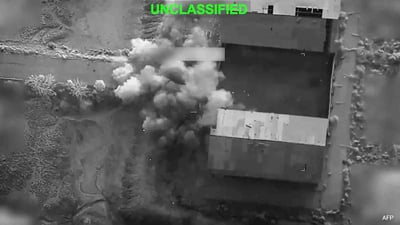
A dangerous new phase of escalation gripped the Middle East on July 20 2026 as live coverage from international news outlets highlighted intensive exchanges of long-range strikes between the United States military and Iranian forces. Following the recent breakdown of a short-lived ceasefire agreement, the United States resumed targeted air operations against Iranian defense positions, missile launch sites, and coastal radar networks. In response, Iranian forces unleashed heavy waves of drones and ballistic missiles directed at US military installations and regional host facilities across Kuwait, Bahrain, Jordan, and Iraq. The sudden resurgence of full scale military engagements across the Persian Gulf has disrupted vital shipping routes, triggering global market anxiety and heightened security alerts across neighboring Gulf states.
The immediate driver of this rapid surge in hostilities stems from renewed disputes over maritime freedom and commercial transit in the Strait of Hormuz. The United States government reinstated a strict naval blockade in the waterway following fresh attacks on commercial cargo ships, asserting that Iranian forces violated prior transit agreements. While initial proposals called for imposing heavy transit fees on cargo moving through the vital maritime corridor, diplomatic backchannels led President Donald Trump to adjust the policy stance, though enforcing strict safe passage protocols remains active. Meanwhile, Iranian military leadership warned that any external naval interference or strikes against domestic infrastructure would meet continued retaliation aimed at foreign bases and energy installations throughout the region.
The physical toll of these ongoing air and drone engagements expanded significantly over the weekend, resulting in widespread collateral damage to critical civil infrastructure. Attacks hitting energy networks in Kuwait caused major fires at key power and water distillation units, forcing temporary grid shutdowns and localized utility disruptions. Simultaneously, air defense networks across Bahrain and Jordan worked continuously to intercept incoming aerial targets as sirens sounded near urban areas and military airfields. Human casualties were reported on both sides, with US military commanders confirming service member fatalities from recent compound strikes, while local authorities in coastal Iranian districts reported civilian damage resulting from continuous bombardment.
Beyond the immediate tactical exchanges, the geopolitical environment remains deeply volatile following recent leadership shifts and high profile losses within Tehran command structures. Mass public gatherings were observed across major Iranian cities over recent days as national mourning ceremonies concluded, giving way to hardened public resolve and military threats of prolonged asymmetrical warfare. As international diplomatic efforts struggle to re-establish a stable negotiation framework, civilian populations throughout Gulf host nations face an increasingly dangerous security environment marked by transit delays, security lockdowns, and constant threats to regional life support systems.
Looking critically at this ongoing crisis, the return to active military confrontation illustrates the extreme fragility of uncodified ceasefire agreements in complex geopolitical conflicts. When military strategy shifts toward maritime blockades and targeting dual-use infrastructure, the line between military targets and civilian life quickly dissolves. With defensive red lines repeatedly breached by both sides and maritime choke points like the Strait of Hormuz functioning under wartime conditions, reliance on unilateral military pressure continues to push the region into prolonged instability rather than long term diplomatic resolution.