
From Boston To Jantar Mantar Why Cockroach Janta Party Founder Abhijeet Dipke Rejected US Job Offers To Protest In India
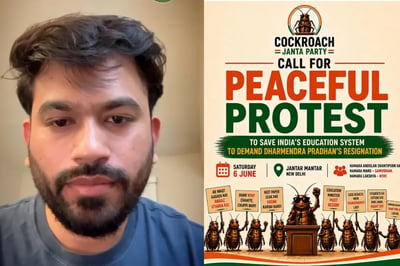
The choice between a highly paid global corporate life and political activism is rarely an easy one but for thirty year old Abhijeet Dipke the path became clear overnight. After graduating with a master degree in public relations from Boston University he found himself at a crossroads with multiple attractive job offers from multinational companies across the United States and Europe. Instead of settling into a comfortable life abroad he made the unexpected choice to reject these offers and book a one way ticket back home. His return is not for a holiday but to lead a massive youth pressure group called the Cockroach Janta Party that has taken the internet by storm. He plans to land in New Delhi to spearhead a peaceful sit in demonstration at Jantar Mantar highlighting what millions of young citizens see as a broken educational system.
The sudden transformation of a foreign educated student into a central figure of youth protest stems from deep rooted systemic issues back home. The major catalyst for this movement has been a series of massive examination controversies that have severely disrupted the academic futures of over one crore students. Massive paper leak scandals during the national eligibility cum entrance test along with widespread irregularities in the common university entrance test and central board secondary education evaluation processes have triggered widespread anger. By channeling this widespread anger through digital satire the young leader managed to turn a derogatory remark comparing vocal internet users to cockroaches into a massive social media movement boasting over twenty million followers. The group has launched a major online petition demanding the immediate resignation of Union Education Minister Dharmendra Pradhan which has already gained over eight lakh signatures.
This rapid transition from an online meme page to a real world political force deserves close examination. On one hand it showcases the incredible power of social media to organize the youth around critical issues like unemployment and institutional accountability without relying on traditional political backing. The fact that prominent figures like climate activist Sonam Wangchuk have pledged to join the protest shows that the movement has touched a genuine national nerve. On the other hand critics argue that maintaining a movement built on internet virality is incredibly difficult when transitioning to ground realities. The government has already restricted the movement digital footprint by blocking its main account on the platform X over national security concerns which is currently being fought in court. Navigating heavy police security threats to family safety and potential legal detention upon arrival will test the true depth and organizational strength of this digital collective.
Ultimately this entire development marks a fascinating shift in how the younger generation chooses to engage with public institutions. By rejecting financial stability abroad to face potential arrest at home the movement head has raised the stakes for student activism. Whether this demonstration leads to immediate structural changes or becomes a brief moment in contemporary history it clearly highlights a growing demand for transparency. Young citizens are no longer content with passive complaints online and are increasingly willing to hit the streets. The upcoming gathering in New Delhi will be a crucial test to see if digital momentum can successfully transform into an enduring platform capable of forcing systemic accountability from power structures.