
Gen Z Rebellion Hits Delhi Streets As Cockroach Janta Party Stages Massive Protest At Jantar Mantar Over Exam Scams
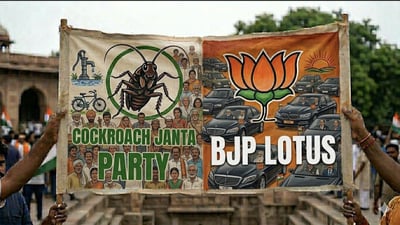
The national capital witnessed an unprecedented political spectacle as thousands of student activists and young citizens filled the historic protest site of Jantar Mantar in Delhi. This massive mobilization marks the official physical debut of the Cockroach Janta Party, a unique youth movement that originally took birth in the digital corridors of social media. The atmosphere remained highly charged yet remarkably disciplined as waves of young demonstrators arrived carrying books and holding the national flag high. Led by the high profile return of founder Abhijeet Dipke from the United States, the group successfully secured official permission from the Delhi Police to hold their peaceful gathering. Security forces deployed over one thousand personnel, established multi tier barricades, and utilized drone surveillance units across central Delhi to monitor the crowd density, creating a tight security blanket around the venue to prevent any law and order breakdown.
The sudden transformation of a satirical online platform into a real world political force highlights a deep seated unrest among the younger generation regarding the Indian education system. The immediate trigger for this massive real world gathering is the widespread outrage over recurring question paper leaks and systemic irregularities in major national level competitive examinations. The recent cancellation of high stakes tests like NEET UG, along with reported lapses in CUET, CBSE, and SSC GD, has threw the academic futures of more than ten million students into complete limbo. For months, families have invested their hard earned money into expensive coaching centers only to see the credibility of the National Testing Agency fall apart. By centering their mobilization around a non negotiable demand for the immediate resignation of Union Education Minister Dharmendra Pradhan, the movement has shifted from internet memes to direct political accountability.
Looking closely at this phenomenon, the movement reveals how modern political dissent is evolving in the digital age. What started purely as a satirical internet joke to reclaim a controversial comment comparing unemployed youth to pests has now weaponized irony to build a massive community. This group managed to gather millions of social media followers by speaking the language of Gen Z, but the real challenge was transferring that digital clicktivism into physical boots on the ground. Today's turnout proves that the anxiety surrounding joblessness and broken examination infrastructure is strong enough to bridge the gap between online spaces and real world streets. However, maintaining long term structural stability for a party built on satire is tough. While appointing official spokespersons like Saurav Das, Vijeta Dahiya, and Ashutosh Ranka shows an effort to build a professional structure, the transition from decentralized internet commentary to a formal political pressure group will require consistent policy goals beyond just demanding resignations.
The peaceful nature of the demonstration, where students chose to offer flowers to police officers and strictly focus on constitutional methods of dissent, sets a distinct tone for future youth agitations. It puts immense institutional pressure on the central government, which has already handed over the investigation to the Central Bureau of Investigation and promised computer based formats for upcoming selection tests. The situation shows that temporary damage control methods and forming inquiry committees may no longer satisfy a highly connected and deeply frustrated student population. As the young protesters stand firm under the Delhi sun, the ultimate success of this movement will not be measured merely by numbers at a single rally, but by whether it can force deep institutional reforms in how public testing is secured and administered across the country.