
Global Energy Markets Face Severe Disruption as Iran Threatens to Close Vital Maritime Corridors Following Renewed United States Naval Blockade
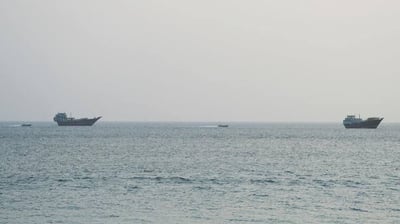
The fragile geopolitical stability of the Middle East experienced a severe breakdown on July 17, 2026, as the Islamic Revolutionary Guard Corps officially threatened to close all alternative maritime export corridors that benefit the United States and its Western allies. The aggressive diplomatic warning came through state media channels immediately after the White House authorized the United States Central Command to execute its sixth consecutive night of heavy infrastructure airstrikes and reimpose a strict maritime blockade along the extensive Iranian coastline. This sudden deterioration completely shatters the temporary ceasefire framework negotiated back in June, pushing international crude benchmarks like Brent oil to a one month high near 85 dollars a barrel. The core of the localized fighting remains centered around the crucial Strait of Hormuz, an essential trade lane that normally handles 25% of the total seaborne petroleum trade and 20% of the world liquefied natural gas supply during peacetime conditions. With traffic through the Persian Gulf effectively halted by active naval engagements, global logistics networks are preparing for an extended period of intense shipping delays.
The strategic pivot by military commanders in Tehran involves using external regional proxy networks to disrupt commerce far beyond their own territorial waters. Intelligence reports from the Red Sea basin indicate that senior command figures have instructed Houthi forces in Yemen to prepare for a complete physical shutdown of the narrow Bab al Mandeb Strait, which serves as the southern gateway to the Suez Canal. A top Houthi political official publicly confirmed on July 13, 2026, that their missile and drone divisions are ready to execute the blockade, a disruptive operational maneuver that analysts warn could instantly drive global oil prices up to 200 dollars a barrel if regional hostilities spread toward neighboring fields. In retaliation for the heavy American aerial assaults that struck Iranian coastal defenses and transportation infrastructure, the Revolutionary Guards launched deep drone and missile strikes against critical installations utilized by the US Fifth Fleet, claiming successful hits on logistics hubs located inside Jordan, Kuwait, and Bahrain. The deployment of asymmetric warfare tactics highlights how easily a localized maritime dispute can ripple across multi continental logistics networks, placing two of the most vital global energy arteries at extreme operational risk simultaneously.
From a policy perspective, the aggressive enforcement strategy pursued by the American executive demonstrates a deep determination to force structural trade concessions through economic pressure rather than protracted diplomatic rounds. Under the direct operational command of Central Command, American warships successfully intercepted and redirected 2 commercial tankers attempting to enter blockaded waters within the first 17 hours of the new enforcement window, proving that the navy is applying absolute force to cut off domestic oil revenues. During an interview broadcast on July 14, 2026, President Trump explicitly warned that the military would target national power plants and key transport bridges unless negotiators returned to the table to finalize a permanent settlement. While the administration presents these severe blockades as defensive steps required to protect commercial transit freedoms against illegal interference, the aggressive focus on destroying civilian transit links threatens to isolate regional populations from vital global markets. This highly reactive dynamic shows that the reliance on economic blockades frequently produces deeper operational resistance from defensive forces rather than the quick diplomatic surrenders desired by major global powers.
As regional maritime defense units remain on highest alert, the immediate outlook for commercial shipping firms operating through the Indo Pacific region remains exceptionally grim. International maritime agencies have advised all commercial fleets to alter their paths around Africa, avoiding the high risk transit zones entirely to protect crew members from ongoing drone strikes. Although White House press officials have maintained that the administration remains open to diplomatic channels, the implementation of heavy shipping restrictions and persistent infrastructure bombings suggests that a peaceful resolution remains far off. The ongoing conflict underscores the reality that as long as major international waterways are utilized as leverage points for national security policies, the global economy will remain vulnerable to rapid energy shocks. With both sides maintaining uncompromising stances, the international community faces the real possibility of a prolonged maritime trade war that could permanently alter global trade routes.