
United Nations Reports Over 500 Rohingya Refugees Missing and Feared Dead After Double Shipwreck Disaster in Bay of Bengal
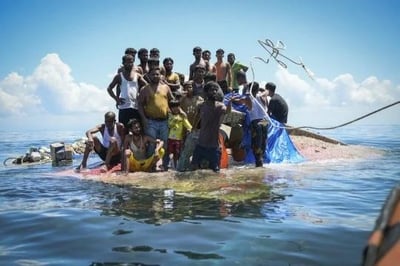
The international humanitarian community experienced a massive shock on July 16, 2026, when the United Nations High Commissioner for Refugees and the International Organization for Migration jointly confirmed a double maritime catastrophe. Preliminary information indicates that more than 500 desperate individuals, predominantly belonging to the persecuted Rohingya minority, are now feared dead after 2 separate transport vessels vanished or capsized in the treacherous waters of the Bay of Bengal. Both vessels originally set sail from the volatile Rakhine State of Myanmar in late June 2026, carrying men, women, and young children who were attempting to escape escalating local military violence and deteriorating living conditions. The first vessel, which was crowded with approximately 250 passengers, lost all radio and satellite communication shortly after leaving the coastline and completely disappeared into the open sea. The second vessel, packed with an estimated 280 passengers, encountered severe structural distress and sank off the Ayeyarwady coast of Myanmar on July 8, 2026. The dangerous journeys were undertaken during a highly hazardous monsoon season outside regular sailing windows, and recent torrential rain accompanied by regional flooding drastically reduced the chances of survival for anyone on board.
The unfolding disaster highlights the deep human suffering and absolute desperation driving families to risk their lives on unstable, unseaworthy wooden boats operated by ruthless human trafficking networks. A significant number of the passengers on these ill fated vessels had reportedly traveled secretly from the overcrowded Cox Bazar refugee camps in neighboring Bangladesh, where more than 1.2 million stateless Rohingya have lived in squalid conditions since fleeing state led military operations in 2017. Life inside these massive temporary camps has become increasingly difficult due to steep international funding cuts, which have forced administrative authorities to reduce basic food rations and scale back essential medical services. Furthermore, a severe lack of educational opportunities, rising internal insecurity, and the constant threat of gang violence leave young refugees with almost zero hope for a dignified future. Data collected by global monitors shows that more than 50% of the individuals who attempt these high risk maritime crossings are vulnerable women and children, who choose to face the terrifying unpredictable nature of the deep sea rather than endure slow starvation and confinement within regular camps.
This tragic mass casualty event points to a massive structural failure in regional border policies and shows how weak maritime rescue coordination directly turns avoidable accidents into permanent human losses. The latest figures show that the Andaman Sea and the Bay of Bengal have effectively turned into an unmarked underwater graveyard, with 2025 already recorded as the deadliest year in history after nearly 900 Rohingya died or went missing out of 6,500 who attempted the crossing. The mortality rate on this specific route has climbed to 1 in 7, making it the most dangerous migration channel anywhere in the modern world. The current system is deeply flawed because regional coastguards and local naval authorities frequently ignore emergency distress signals, leaving refugee boats to drift helplessly for weeks until they capsize. While national governments focus heavily on tightening maritime borders and pushing migrant vessels back into international waters to protect their own political interests, they actively create an environment where human smugglers can easily exploit human desperation for high financial profits without facing legal consequences.
The terrible loss of these 530 lives serves as a painful warning that the regional refugee crisis cannot be solved by simply waiting for conditions to improve inside Myanmar. As long as the ruling military regime continues to deny basic citizenship rights, access to employment, and freedom of movement to the remaining Rohingya population, desperate families will continue to buy seats on dangerous vessels heading toward Malaysia or Indonesia. The international community must move beyond publishing standard expressions of concern and actively pressure regional states to establish coordinated search and rescue mechanisms to save lives in real time. Providing safe and legal migration pathways, restoring adequate food funding to the Bangladesh camps, and addressing the root causes of ethnic violence remain the only realistic steps to prevent the sea from swallowing more innocent human lives. With rescue operations hampered by ongoing seasonal storms, the families left behind are left with nothing but agonizing silence as they mourn the loss of their loved ones who vanished into the dark ocean waves.